Mr Moth returns to Skull Island, and this time he’s taking an army

Mr Moth returns to Skull Island, and this time he’s taking an army
Attention! Laura Morgan‘s musings on growing old via the medium of T2 Trainspotting will almost certainly contain spoilers

Gareth Negus watches Brad Pitt and Marion Cotillard share a special relationship in World War II drama, Allied. That’s an actual line from the film, by the way.


Ricky Young looks at Paul Schrader’s latest offering, and tries not to get skeeved out as he does so.
Continue reading Dog Eat Dog
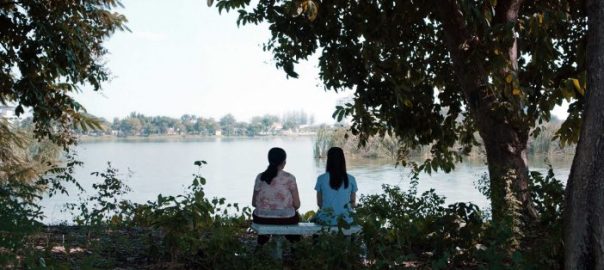
On 7 November New Wave Films are releasing Cemetery of Splendour, directed by Apichatpong Weeresethakul, who won the Palme d’Or with his earlier film Uncle Boonmee Who Can Recall His Past Lives. Continue reading Cemetery of Splendour

Matthew Carter squares up to ailurophobia
When RKO Radio Pictures were feeling the pinch from the excesses of Citizen Kane, a directive for a meat and potatoes B-movie landed on Val Lewton’s lap. Jacques Tourneur stepped up as director and DeWitt Bodeen produced the screenplay. Using sets from Orson Welles’s The Magnificent Ambersons, Tourneur and Lewton created an entirely new genre: noir-horror-sex-thriller. Continue reading Here, Puss Puss Puss…
D A Pennebaker’s classic access-all-areas take on Bob Dylan’s 1965 tour of England is restored and repackaged in this Criterion release. John Wilby looks back at Dont Look Back
Gareth Negus watches the TV series of Wolf Creek.


The problem with a film based on a real story is that you always know how it is going to end.
Mary Reynolds (Emma Greenwell) wants to enter the Chelsea Flower Show with her wild Celtic garden and win the gold medal. To do this she needs the help of reluctant botanist Christy Collard (Tom Hughes), £250,000 in sponsorship, and to convince the show to accept her entry. Continue reading Dare to Be Wild
Spank The Monkey looks at Criterion’s new release of a neglected landmark in Japanese cinema.

Musashi Miyamoto is the Samurai. No, scratch that: Musashi Miyamoto is the Samurai. For generations of Japanese, this 17th century wandering swordsman has been the ideal representation of the country’s warrior class. A painter, an author, and a swordsman who won over sixty duels: if he didn’t already exist, someone would have had to invent him. And even though he did exist, people have been inventing him anyway: for centuries Japanese culture has repeatedly taken the bare bones of his story and manufactured new myths out of it. Continue reading The Samurai Trilogy

 MostlyFilm