Category Archives: World Cinema

Whose Film Is It Anyway?


by Spank The Monkey

 As far as I’m concerned, it was my pal The Belated Birthday Girl who spotted it first. In 2008 she spent three months in Japan studying the language, and while she was there she got in some additional practice by seeing a Japanese film at the cinema every week. (Yeah, it’s kind of a thing in our household.) When she looked back at the movies she’d seen, she noticed that almost every Japanese film on release was a remake, or an adaptation from another source, or a spinoff from a TV show. There were very few original stories out there that had been written specifically for the screen. Continue reading Whose Film Is It Anyway?

Monoglot Movie Club: The Dutch Angle

by Spank The Monkey


Here’s a scenario that’s been played out in several locations over the last decade. I walk into a cinema in country X, and say to the box office attendant “I’d like a ticket for Y, please.” In that previous sentence, X is a non-English speaking country, Y is the title of a film made in that country, and the section in quotes is spoken (after hours of intense private rehearsal) in the native language of X – let’s call it Xish.

Continue reading Monoglot Movie Club: The Dutch Angle

Comin’ At Ya! (A Brief History Of Sex & Zen)

by Spank The Monkey


The stars and directors of Hong Kong cinema used to have a huge worldwide following, back in the day. But that day was probably prior to July 1st 1997. The return of the territory to Chinese control resulted in a cinematic brain drain, which would ultimately lead to Jet Li getting third billing and heaps of racist abuse in The Expendables. Meanwhile, those filmmakers who were left back in Hong Kong found themselves at a bit of a loss. Apart from the odd surprise like the Infernal Affairs series, very little of their work makes much of an impression outside Asia.

But in Spring 2011, a film came out whose performance was spectacular enough to make global headlines: a 3D production whose opening weekend effortlessly outgrossed that of Avatar. How did it do that? Well, a title like 3D Sex & Zen: Extreme Ecstasy definitely helps. The film had a reasonably solid theatrical run worldwide, including here in the UK, where it’s just been released on DVD in smudgy red/blue 3D. Western viewers may not realise, though, that this is merely the most recent entry in a Hong Kong movie franchise that’s been running for two decades now. In Asia, they’ve been wildly popular and successful: but here, the Sex & Zen movies are barely known outside of a small audience of grimly masturbating fanboys.

Um, hello.

Continue reading Comin’ At Ya! (A Brief History Of Sex & Zen)

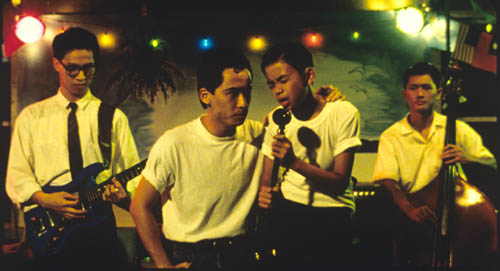
Undiscovered Country: the Films of Edward Yang

by Philip Concannon

A Brighter Summer Day

When Edward Yang died in 2007, I didn’t feel the sense of loss that I often feel when a notable filmmaker passes. At the time, I had only seen Yang’s last film Yi Yi, and as much as I adored that picture, I had no idea that it was merely the tip of the iceberg. I had no idea that we were losing in Edward Yang one of the most remarkable directors of his generation, and I wasn’t the only one unaware of the richness of Yang’s oeuvre either, because aside from his internationally acclaimed Yi Yi, the director’s films are largely unavailable for viewers in Europe and America. Prints and DVDs remain intractably bound up in complex rights issues, with the funding of some Taiwanese films by the country’s gangsters complicating the matter further. Few would quibble with Yang’s status as a great filmmaker, if only they were given the opportunity to see his body of work in its entirety.

Continue reading Undiscovered Country: the Films of Edward Yang

London Film Festival 2011 – The Italian Job

Concetta Sidoti rounds up our LFF11 coverage with a special report on the Italian films that played at the festival

Terraferma

For a couple of years, the most interesting Italian films in the London film festival have been about outsiders moving in – often ex-communitari (non-EU migrants) and clandestini (illegal migrants) – and the uneasy welcome they receive from a country more used to emigration than immigration. This year’s festival tackles the subject in films as different as Emanuele Crialese’s Terraferma, the De Serio brothers’ Seven Acts of Mercy (Sette opere di misericordia) and Andrea Segre’s Li and the Poet (Io sono Li).

Continue reading London Film Festival 2011 – The Italian Job

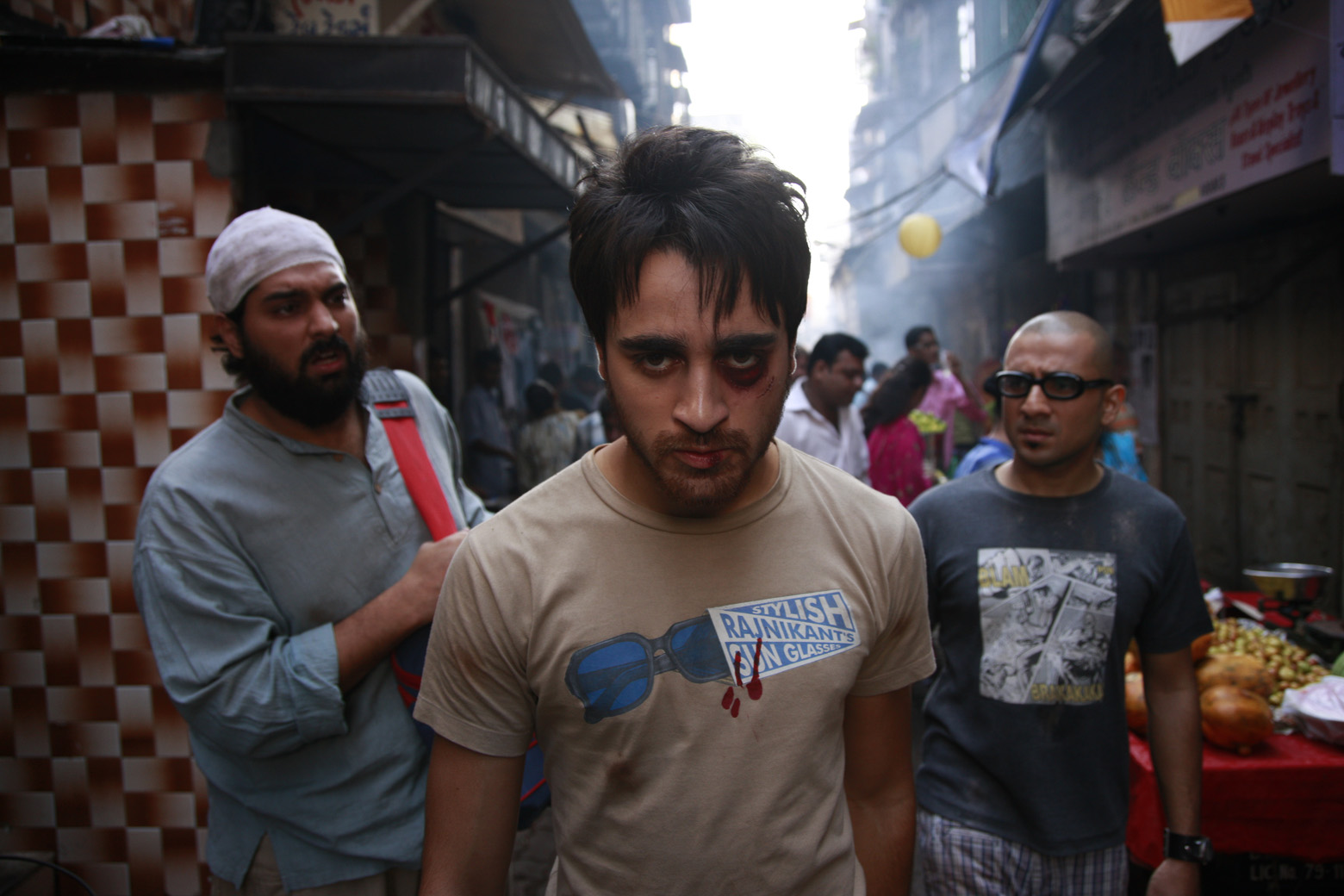
London Indian Film Festival 2011

by Indy Datta

Although it has always been wrong to characterise Indian film as a monoculture, the western perception that there’s nothing more to it than Bollywood and Satyajit Ray is understandable. Although there are regional film industries, most notably working in the Kannada, Tamil and Bengali languages, few arthouse filmmakers from the “parallel cinema” tradition have broken through to international acclaim. Other than the work of Ray, Indian art film has not been widely released on home video in the West. And while India’s commercial cinema has historically been competitive with Hollywood in the developing world, it’s never been more than a niche concern in the West.

But as India changes, consciously growing into its role as one of the economic powers of the coming century, Indian film is changing. As the population becomes more urban, as the censorship regime progressively relaxes (although it remains capricious, and there is still the rather archaic presumption enshrined in the law that film needs to be more strongly censored than other art forms, for the good of the populace), as multiplexes replace the grand picture palaces where masala classics like Sholay and Naseeb played to audiences of over a thousand (rickshaw-wallahs and doctors in the same theatre), as satellite TV and the internet massively increase the exposure of Indians to everything from Harry Potter to pornography, the increasing diversity, frankness and boldness of Indian films reflects the increasingly fractured and unpredictable experience of modern India.
Continue reading London Indian Film Festival 2011

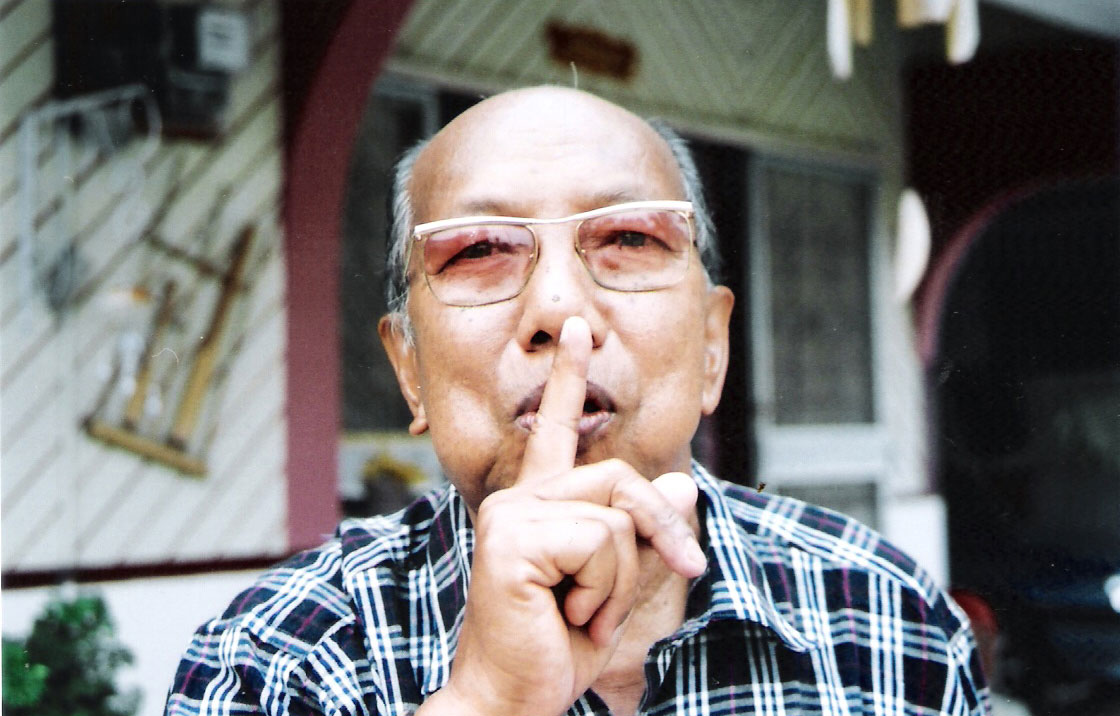
The Last Communist

by Jeremy Tiang

I wanted to write a book about the Malayan communist insurrection of the 1950s, so I took a bus to the jungles of Southern Thailand, where the former guerrilla fighters all live these days. In the town of Betong, I went up to people in the street (fortunately, everyone in Betong speaks Chinese, so I didn’t need my Thai phrasebook, which is shockingly lacking in communist vocabulary) until I found someone willing to take me up the mountain on his motorbike. He didn’t have a spare helmet, but on such a steep mountain road a helmet probably wouldn’t have done me much good.

Continue reading The Last Communist