All posts by Gareth Negus

Appy Days

by Gareth Negus

The Bristol Odeon in the 1930s, as featured in the Lost Cinemas of Castle Park app

Unless your first trip to the cinema was post-1990, it’s a reasonable bet that some of the buildings where your formative moviegoing experiences took place no longer exist, at least in their original form.  That’s certainly true of me.  The local three screen Cannon where I spent many Friday evenings in my late teens long ago became a Wetherspoons; the Manchester Odeon, where I saw Pulp Fiction among others, is derelict. The ABC in Hull, which I frequented as a student, is also consigned to history.  And those buildings were arguably well past their prime when I was visiting them, soon to be crushed by the rise of the multiplexes.

I have nothing against multiplexes as such; anyone who recalls the sorry state so many UK cinemas had reached by the early 80s will understand why they were welcomed by so many.  But there is a wealth of history to cinemagoing in this country that pre-dates their corporate approach, much of which is gone, if not forgotten.

Late last month, I attended the launch of a new heritage app for mobile phones called Lost Cinemas of Castle Park. The app was developed by a team headed by Dr Charlotte Crofts of the University of West of England, and is part of the Cinemapping project that draws on Bristol City Council’s Know Your Place.  The team previously created a heritage app specific to the Curzon Community Cinema, which celebrated its centenary last year.  The app mixed historical information with the stories and memories of those who knew the building, and The Lost Cinemas of Castle Park takes a similar approach.

Castle Park was once a major commercial centre of Bristol, before it was devastated during World War II. It included a remarkable 15 cinemas, of which only one, the Odeon, is still in existence, albeit in reduced circumstances (the ground floor is now a branch of H&M).  The idea is for the app to be used while wandering around the Castle Park area, though if you aren’t in the area, it can also be operated manually.

Continue reading Appy Days

Attack of the Killer Brummies: Ben Wheatley’s Sightseers

Steve Oram and Alice Lowe in Sightseers

Ben Wheatley’s eagerly anticipated new film, Sightseers, is a black comedy about a couple on a caravanning holiday across England who start a killing spree.  Written by its two stars, Steve Oram and Alice Lowe, the film is receiving regular comparisons to Mike Leigh and Natural Born Killers.  What’s interesting is that, although he did not originate the project, the film is so clearly the work of the man who last directed Kill List.

In September, Mostly Film’s Gareth Negus attended a press conference with Ben Wheatley, Alice Lowe and Steve Oram, who talked about the creation of the film, its production and their choice of eccentric tourist spots.

Continue reading Attack of the Killer Brummies: Ben Wheatley’s Sightseers

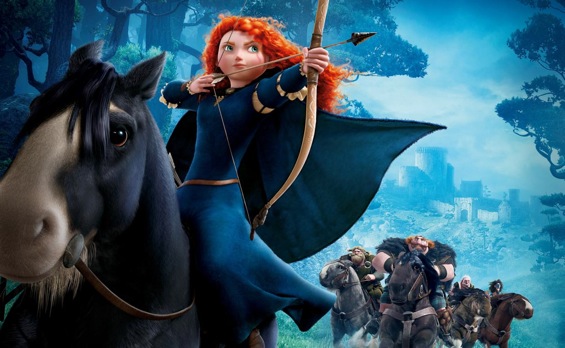
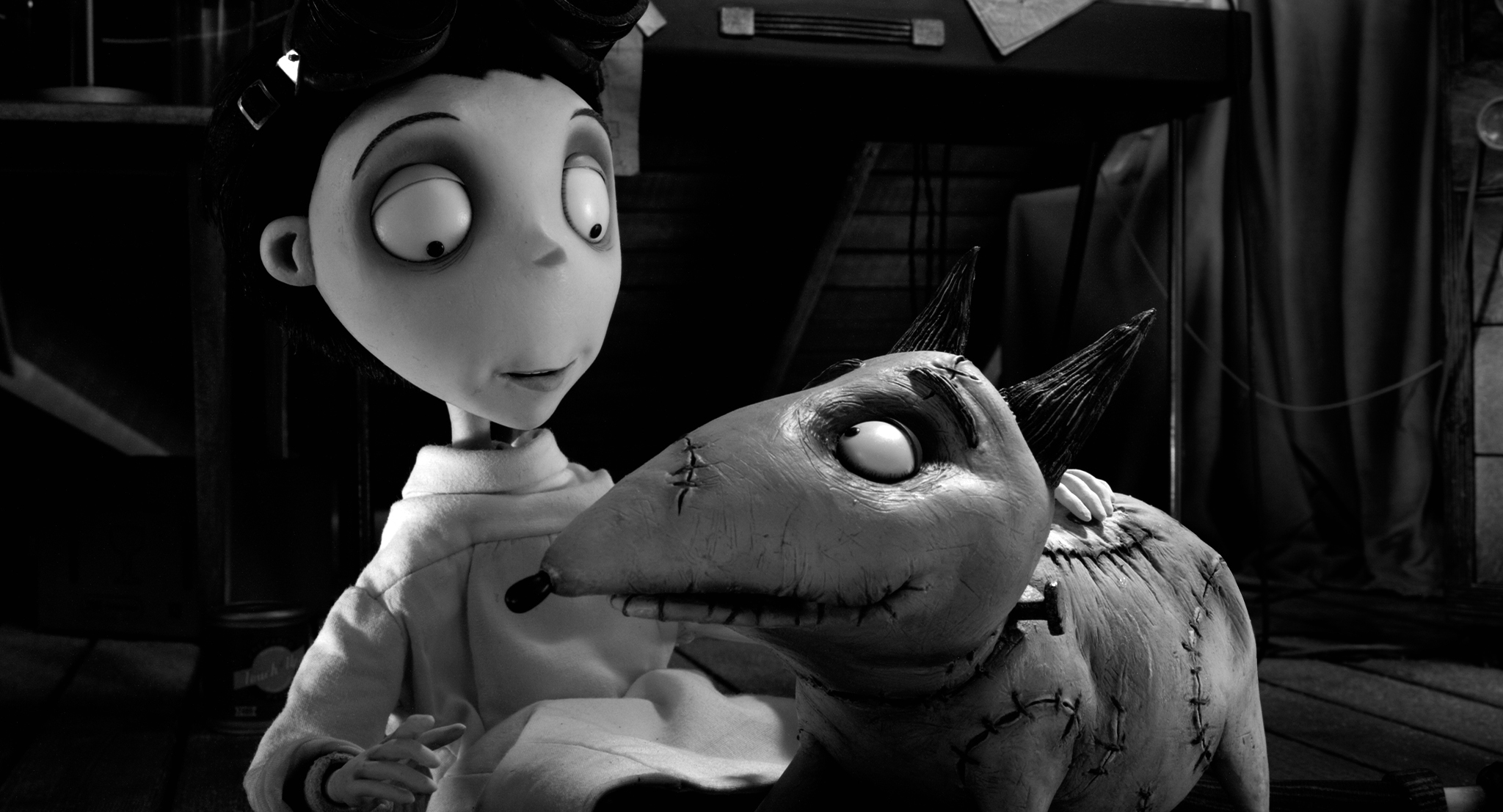
It’s Alive!: Tim Burton’s creative resurrection

by Gareth Negus

Among the many things for which Tim Burton can be held responsible is the fact that I am writing for this website.  His second feature, Beetle Juice (1988) was the one that, more than any other, ignited my interest in film.  I’m not suggesting it’s the greatest film ever made (that would be Tremors, clearly), but it was among the most imaginative and unusual I had seen up to that point in my life.  It introduced me to the idea that filmmakers could take a melange of influences and craft something new and personal from them, and sent me out into the street thinking: I want more like that. (It also introduced me to Winona Ryder, something else for which I remain grateful.)

Continue reading It’s Alive!: Tim Burton’s creative resurrection

Freshers’ Fare

Gareth Negus reviews Liberal Arts.

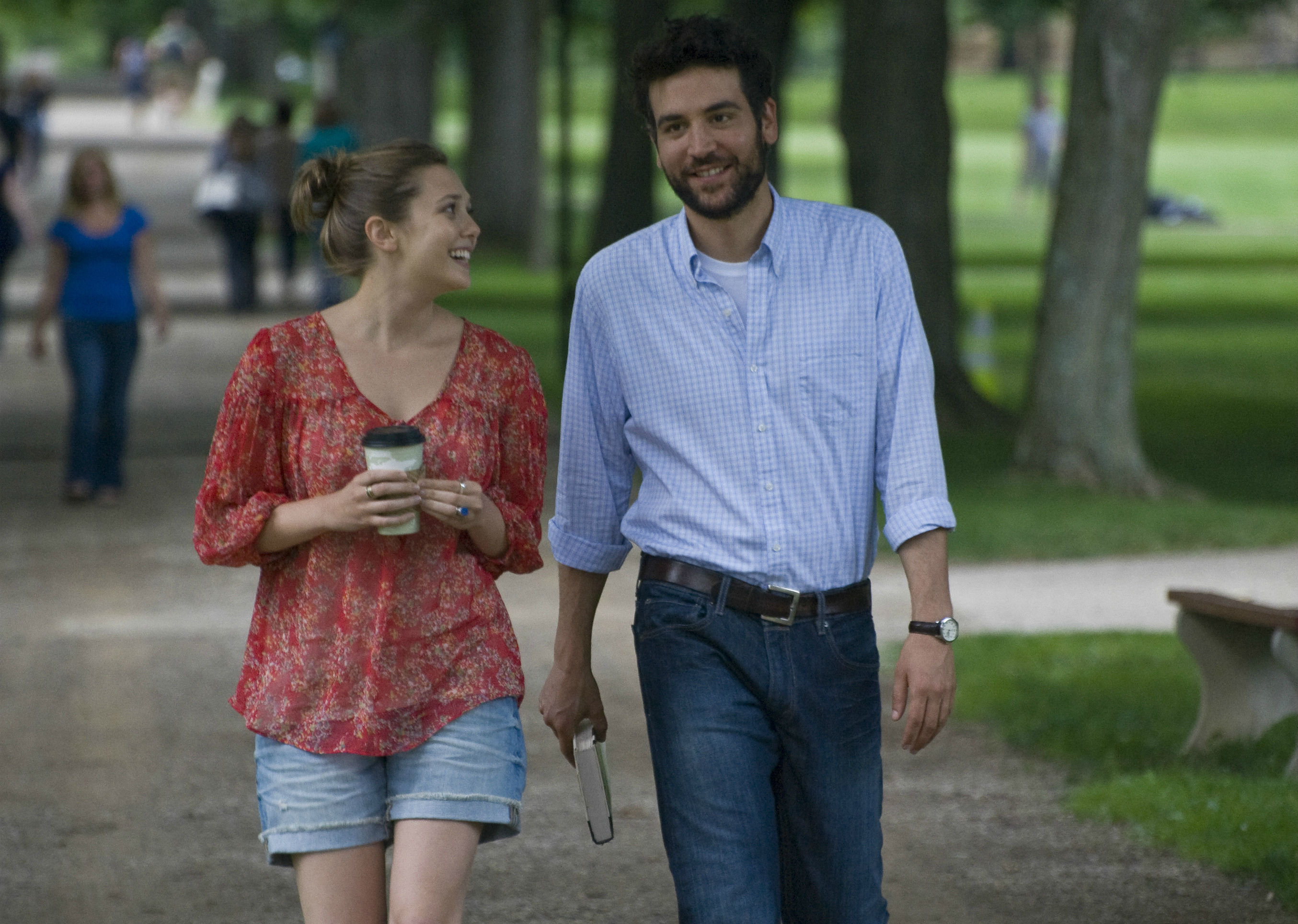
Elizabeth Olsen, Josh Radnor in Liberal Arts

Liberal Arts is a pleasant middle-youth indie angstfest, which sings the praises of an English degree while gently mocking those who can’t move on from their college years.

Josh Radnor, also the film’s writer and director, plays Jesse, who returns to his alma mater for the retirement of one of his favourite professors (Richard Jenkins).  Over the weekend he meets new student Zibby (Elizabeth Olsen); the two strike up a correspondence, which leads to a romance. Jesse is at a point where he’s slightly disappointed with his life – he’s just split up with his girlfriend, and is stuck in an unfulfilling job in university admissions (one senses he would prefer to be an inspirational lecturer).  He hides from his disappointments behind books and poetry.  Meeting with the professors who inspired him ignites his nostalgia for university, and a desire to relive those years – as he puts it, “The only time in your life when you can say you’re a poet without someone punching you in the face.”

Continue reading Freshers’ Fare

FrightFest the 13th

by Gareth Negus

Rosie Day in Frightfest’s 2012 opening film, The Seasoning House

If I start by saying that the film I enjoyed most at Frightfest this year was a 40 year old reissue, it might sound like a cheap shot. But as that film was The Devil Rides Out, one of several vintage Hammers spruced up and showing to plug their imminent blu-ray release, it really isn’t.  All the same, this year’s festival did raise a few questions about the state of contemporary horror, with the best films tending to be those that looked back in some way to past glories.

Continue reading FrightFest the 13th

MostlyFilm goes to Edinburgh

Gareth Negus, Matthew Turner and EK McAlpine report from the Edinburgh International Film Festival 2012

Gareth Negus

There was a much more positive vibe in Edinburgh this June. After the critical bashing the 2011 Film Festival received, the organisers at least had the sense to sort out one of their most fundamental errors. They appointed a new Artistic Director, Chris Fujiwara, and gave him the time and  the authority to put his own stamp in the programme.

You could see the difference immediately.

Continue reading MostlyFilm goes to Edinburgh

Cafe de Flore

by Gareth Negus

Café de Flore is 85% of a very good film, and it’s a pity that the 15% I wasn’t crazy about comes at the end. Written and directed by Jean-Marc Vallée – who previously directed C.R.A.Z.Y., which I liked a lot a few years ago, and The Young Victoria, which I couldn’t really be bothered to see – it’s a romantic tale set in 2011 Canada and 1969 France.

The 1969 section focuses on single mother Jacqueline (Vanessa Paradis), struggling to bring up her young son, Laurent, who has Down’s Syndrome. She is determined to disprove the low expectations society has for her child, both in terms of life expectancy and quality of life, but this determination leads to frustration when the boy starts to develop ambitions of his own. The Montreal storyline revolves around the love life of Antoine (Kevin Parent) a club DJ on the cusp of turning 40. Antoine, the opening voice over tells us, appears to have it all – a great relationship with his partner, two children, a successful career. But it gradually becomes clear that there is a fly in the ointment, and Antoine is not sure he deserves his good fortune.
Continue reading Cafe de Flore

John Carter

by Gareth Negus

Since first writing about the film John Carter for Mostly Film nearly a year ago, I’ve done my best to avoid news of it. I’ve seen the trailers, but deliberately decided not to watch any clips – I wanted to come to the finished product as unspoilt as possible.  That didn’t mean I escaped the news altogether, and some of that news wasn’t encouraging.  The dropping of ‘of Mars’ from the title, reportedly decided after the massive failure of Mars Needs Moms caused an outbreak of brown trousers in the Disney marketing team, was a big worry.  The name John Carter on its own didn’t seem to communicate much to a potential ticket buyer.  If Lawrence of Arabia was being made today, would it be retitled just Lawrence, in case the mention of Arabia put people off?  They might as well have called it A Film about Some Bloke and be done with it. Continue reading John Carter

Fire Walk With Me

by Gareth Negus

Before its release in 1992, Twin Peaks: Fire Walk with Me was possibly David Lynch’s most eagerly-anticipated film yet. When it was released, it immediately became the most bitterly criticised work in his filmography. It has subsequently been re-evaluated by many, and now occupies a rather peculiar place in his body of work. A prequel to the TV series that Lynch co-created with Mark Frost, it was accepted at the time as forming part of the series’ narrative; but anyone thinking about watching the film for the first time in 2012 may never have seen a single episode of the TV show. If that includes you, please note that this article contains major spoilers. And also that the entire series is available on DVD.

The series was ostensibly about an FBI agent, Dale Cooper (Kyle MachLachlan) who is sent to the town of Twin Peaks to investigate the murder of a teenage girl, Laura Palmer; yet the whodunit element was only ever intended to act as a backdrop to the story of the town’s variously eccentric and/or sinister inhabitants. As the series went on, elements of outright fantasy were introduced, heralded by a much-spoofed dream sequence featuring a dancing, backwards-talking dwarf:

At first, the series was a phenomenon, but ratings took a nose-dive mid-way through the second season. Having revealed the identity of the killer, at the network’s insistence, the series floundered in a run of tedious episodes. The series found its feet again toward the end of the season, but too late to escape cancellation.

Like a lot of Twin Peaks fans, I was initially disappointed with the news that the film was to be a prequel rather than a continuation. We already knew what had happened to Laura Palmer; we wanted to find out what happened next, after the cliffhanger that closed the second and final season. But any new Peaks was better than no Peaks at all, so of course I went to see it.

Continue reading Fire Walk With Me

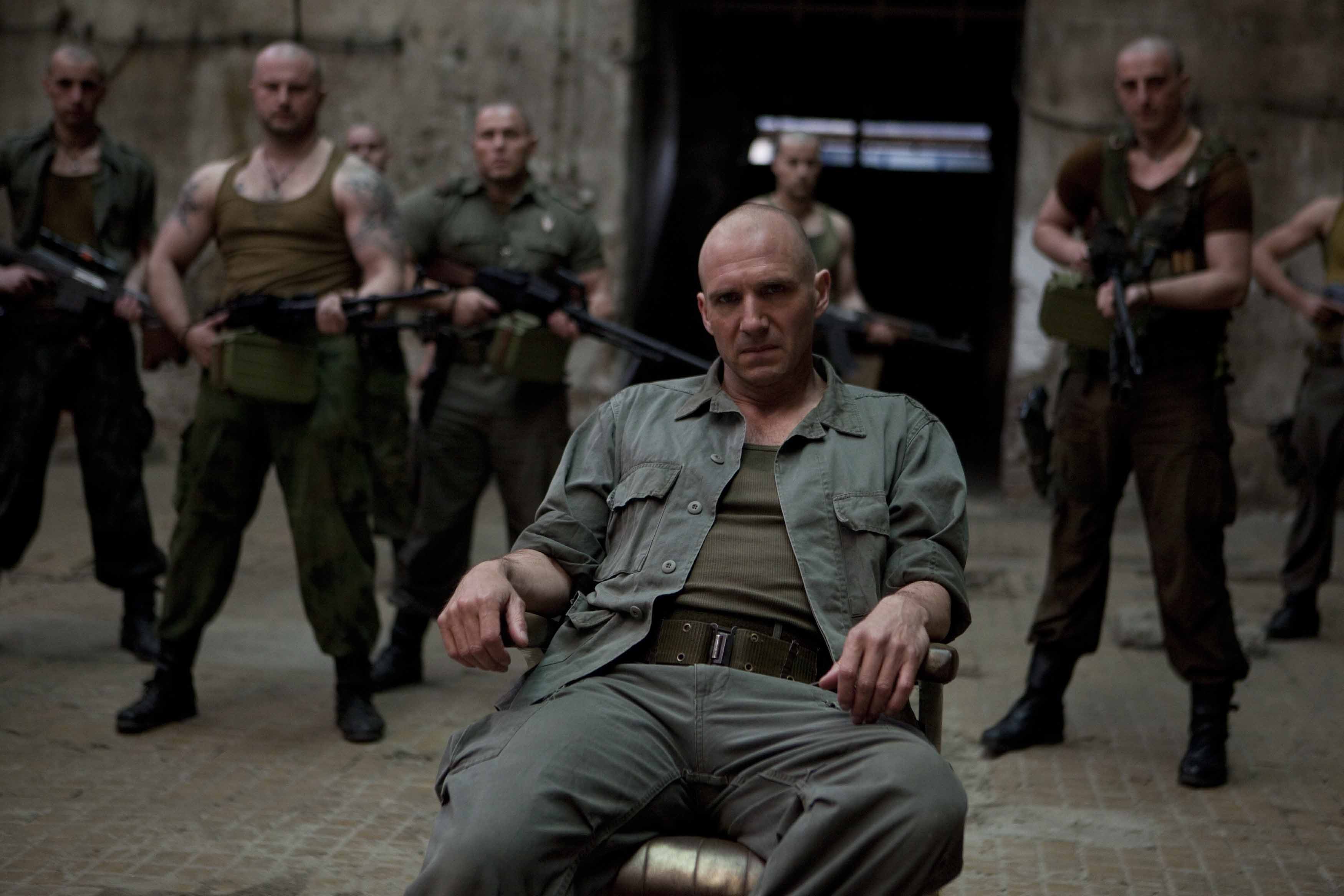
Coriolanus

by Gareth Negus


Filming Shakespeare successfully is a bit of a trick, especially if you want to reach an audience who would normally run screaming from the idea of watching a 16th century play in a theatre. Not only do you face the challenge of transferring a work from one medium to another, but of encouraging the audience to see past the artificial language and view the play in a contemporary light. Do you keep the story in its original period, or go for a modern setting? Do you favour fidelity to the text, or do you give yourself license to chop and change scenes and dialogue to keep things moving?

Get it wrong, and you have a film like Julie Taymor’s the Tempest (2010), in which actors wander on, do their party piece, and then wander off stage again without any sense of how they are relating to the other characters in the story. Get it right, and you have something like Baz Luhrmann’s version of Romeo + Juliet (1996), a thrillingly modern crowd-pleaser that remains faithful to the source. Continue reading Coriolanus