Category Archives: World Cinema

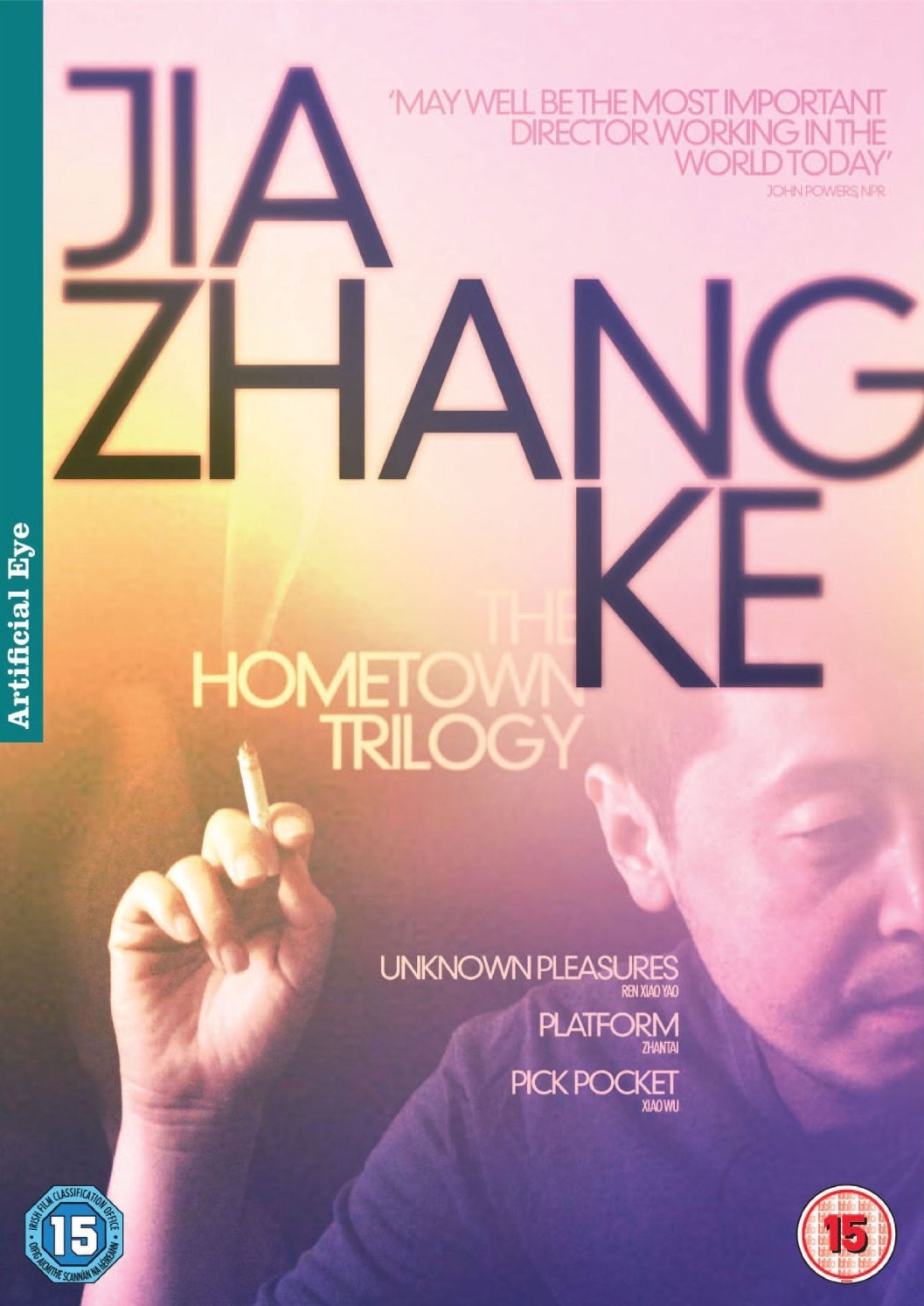
The Hometown Trilogy

by Spank the Monkey

Thanks to the London Film Festival, I have a uniquely skewed perspective on the career of Chinese director Jia Zhang-Ke. I’ve seen two of his movies there – his 2004 drama The World, and his 2010 documentary I Wish I Knew – in what would turn out to be among the very few screenings they ever received in the UK. And I’ve even briefly been in the same room as the man himself, when in 2000 he attended an LFF panel on the challenges facing Asian independent filmmakers.

But his famous films – the ones that made his reputation, and actually got a proper cinema release over here – well, somehow those have eluded me over the years. So just in time for Christmas, Artificial Eye have repackaged the three films that introduced Jia Zhang-Ke to the world: the loosely-related collection that’s nowadays referred to as The Hometown Trilogy.


Continue reading The Hometown Trilogy

Attack of the Killer Brummies: Ben Wheatley’s Sightseers

Steve Oram and Alice Lowe in Sightseers

Ben Wheatley’s eagerly anticipated new film, Sightseers, is a black comedy about a couple on a caravanning holiday across England who start a killing spree.  Written by its two stars, Steve Oram and Alice Lowe, the film is receiving regular comparisons to Mike Leigh and Natural Born Killers.  What’s interesting is that, although he did not originate the project, the film is so clearly the work of the man who last directed Kill List.

In September, Mostly Film’s Gareth Negus attended a press conference with Ben Wheatley, Alice Lowe and Steve Oram, who talked about the creation of the film, its production and their choice of eccentric tourist spots.

Continue reading Attack of the Killer Brummies: Ben Wheatley’s Sightseers

London Film Festival: Best of British

With the 2012 London Film Festival in full swing, Siobhan Callas of Britflicks.com looks at the British productions in this year’s programme.

Seven Psychopaths

It’s time once again for the UK’s biggest (and possibly longest titled) film event of the year, The 56th BFI London Film Festival in partnership with American Express.

The festival sees a total of 225 feature films from 68 different countries playing across the capital city’s cinemas for 12 days throughout October. And much to my own personal joy, one sixth of this year’s chosen screen outings are home-grown.

Continue reading London Film Festival: Best of British

Hell is a City

by Blake Backlash

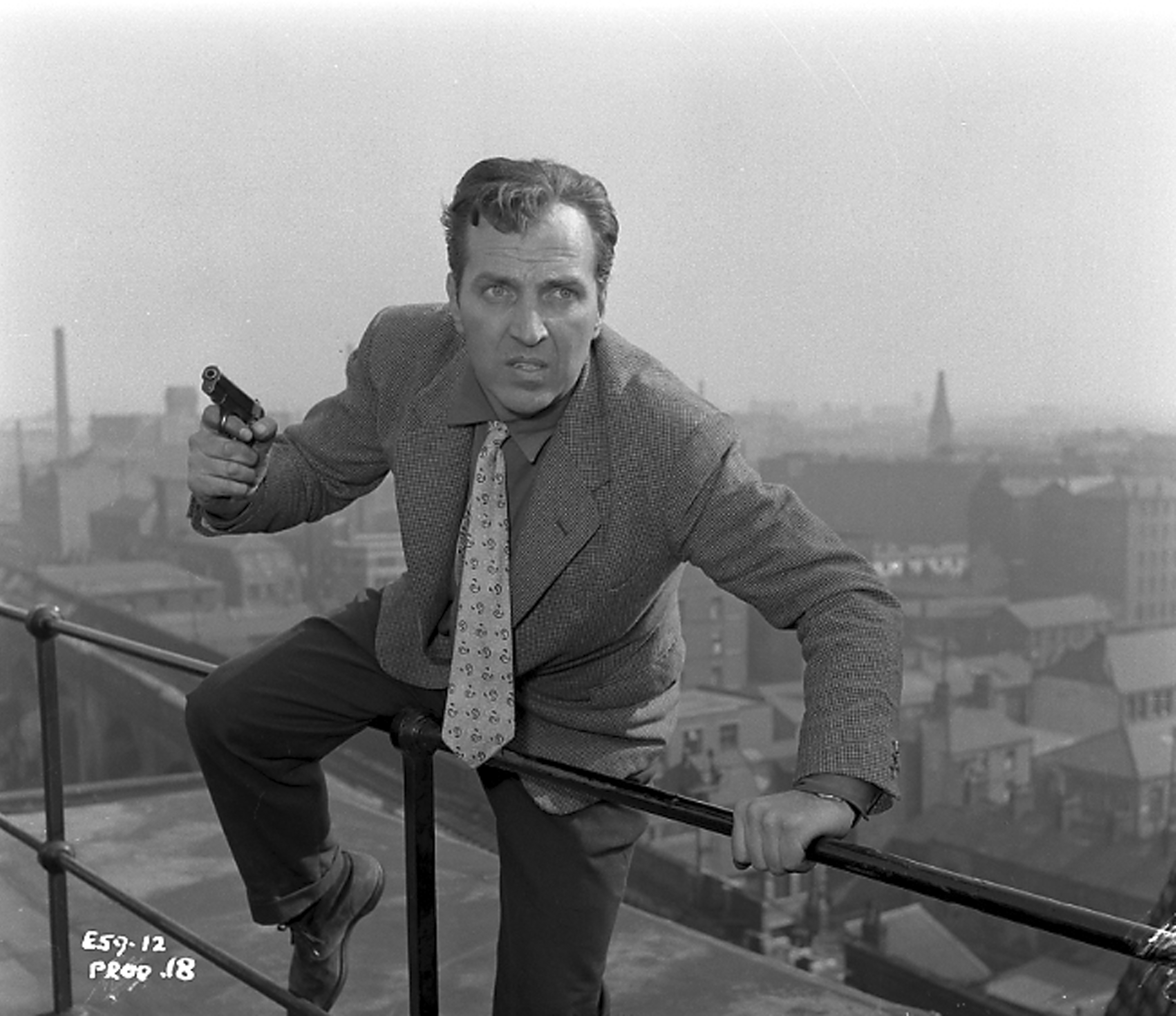
That title seems emblematic of film noir. In so many noirs the city is a malevolent presence, a place that seems both to warp and to be warped by the tortured psyche of the protagonist. If you had to send a telegram summarising the message of most film noir, the curt, four word missive: Hell Is a City, would be a pretty good way to get the job done cheaply.

But a part of what makes this film interesting are the other, non-noir traditions it draws upon. It’s British but it’s a markedly different work than the films I discussed in my MostlyFilm article on Brit Noir, back in March. Significantly, the three films I looked at then are set in London and the South. By contrast, Hell Is a City is set in Manchester. That shift north also brings with it a shift from a heightened reality to an emphasis on veracity. And along with that comes a more serious attempt to more authentically depict the lives of the British working-class.

Continue reading Hell is a City

Tales from the Land of Gold: Zipangu 2012

Clare Dean experiences Japanarchy in the UK.

Somi – The Taekwon-do Woman

It’s Friday evening and I find myself eating Sushi in an old Lambeth workhouse.  Not something Charlie Chaplin would’ve done but then he never got the chance to go to the Zipangu Film Festival.  This was the third annual festival and the first one held at the Cinema Museum in Kennington (and former workhouse home of Chaplin when he was a small boy).

Zipangu is a different kind of festival. You might not see the latest Japanese big budget, sword fighting epic or an in-depth Ozu retrospective, but you will see something unusual or little-seen and it’s not always the traditional representation of Japan that you might expect.

Continue reading Tales from the Land of Gold: Zipangu 2012

Back Issues

Spank the Monkey and Clio attempted to review the BFI’s new digital archive for Mostly Film. With mixed results…

An advert from the Winter 1972/3 edition of Sight and Sound.

Spank The Monkey:

I love Sight and Sound magazine, even though I hold it personally responsible for the mediocre 2.2 degree I attained at university. It’s true. Much of my final year at Manchester was spent in the campus library, desperately trying to undo the results of two previous years of hedonism largely based around the university’s excellent Film Society. But during a break in studies one day, I discovered that the library had bound volumes of Sight and Sound (and its companion review magazine, Monthly Film Bulletin) going back several decades. The study breaks got longer and longer after that, ultimately leading to the Desmond that blights my academic record to this day.

I had a massive Proustian rush when I recently visited the new library at BFI Southbank, and found those same bound volumes taking pride of place on its shelves. So imagine my delight when I discovered shortly afterwards that it was now possible to access every issue of S&S and MFB online, through the newly-created Sight & Sound Digital Archive. Well, that’s the theory, anyway.

Continue reading Back Issues

Now on the Big Screen in colour!

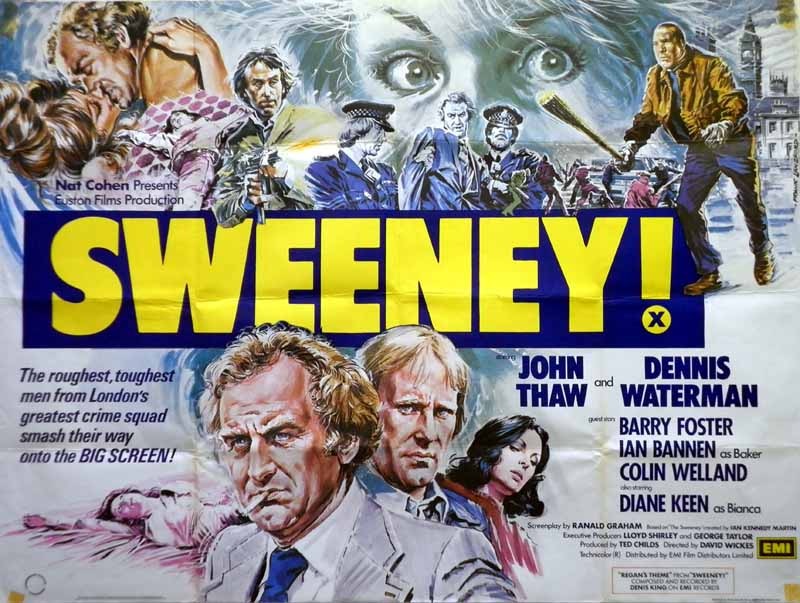
As the Nick Love-directed remake of The Sweeney reaches British cinemas, Dene Kernohan looks at the history of British TV in the cinema.

The subgenre of films based on British TV series is one I have a great deal of affection for, even if critical acclaim has been limited.  And it’s one which has been around almost as long as commercial television itself.  The earliest example seems to be I Only Arsked!, a 1958 Hammer comedy in which Bernard Bresslaw reprised his role of Pte “Popeye” Popplewell from Granada Television’s national service sitcom The Army Game.

Continue reading Now on the Big Screen in colour!

Monoglot Movie Club: Pining For The Fjords

Part of an occasional series in which Spank The Monkey travels to foreign countries, watches films in unfamiliar languages, and then complains about not understanding them

Like any regular business traveller, I have a checklist that I work through whenever I enter a new hotel. Does the room have tea and coffee making facilities? Is there enough soap in the shower? Are the tissues within arm’s reach of the bed? Once I’ve confirmed all those, it’s time to turn on the TV to get a quick overview of the local culture, in what I’ve only just realised is a smaller-scale and cheaper version of what I regularly do here in Monoglot Movie Club.

On my first night in Oslo, I was already slightly on edge after I discovered that my hotel failed on all three points on the checklist. And then I started watching the TV. Of the 13 channels available in my room, all of them bar one were showing English language programmes with subtitles. By the time I’d found out that the most interesting thing on telly that week was a subtitled episode of Monty Python’s Flying Circus, I had to wonder: if there’s so little Norwegian language material on television, what must Norway’s cinemas be like?

Continue reading Monoglot Movie Club: Pining For The Fjords

#KeepAsianCinemaInUKCinemas

by Spank the Monkey

Himizu

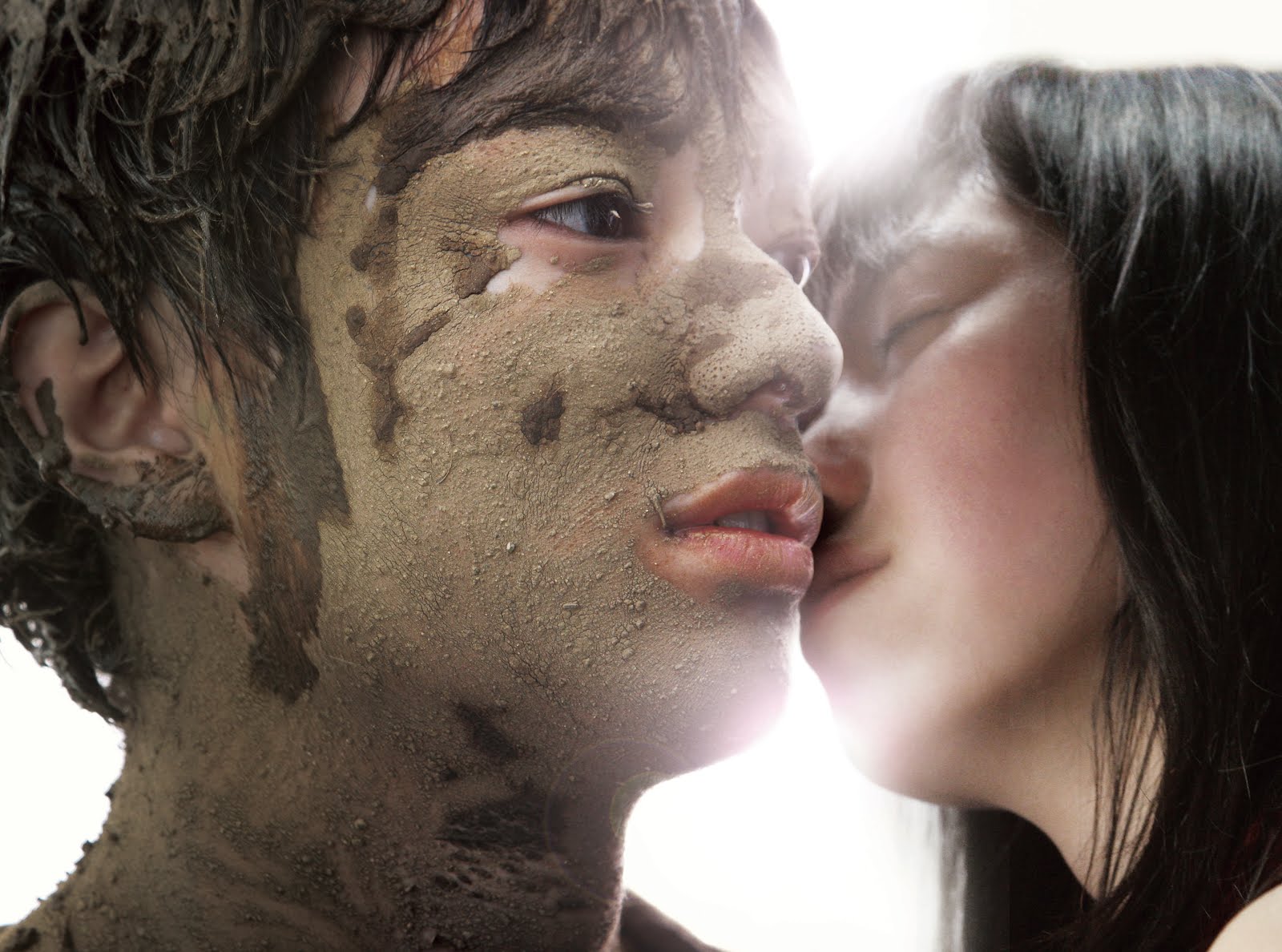
Last month in London, the HK15 Film Festival provided a rare opportunity to see old and new Hong Kong movies on the big screen. It was organised by the people behind the Terracotta Far East Film Festival, which I’ve previously covered for this site. At the Closing Gala, festival boss Joey Leung insisted that the profile of Asian cinema needed raising in this country. To that end, he gave the audience a Twitter hashtag to use: #KeepAsianCinemaInUKCinemas.

There are a few problems with that. Firstly, it’s a hashtag that could easily be misremembered in a variety of ways, which reduces its effectiveness as an indexing tool. Secondly, at 27 characters it takes up around one-fifth of the maximum length of a tweet, and doesn’t leave much room for anything else. But even if we ignore those concerns, it’s possible that what we’re dealing with is too big for a mere hashtag. Continue reading #KeepAsianCinemaInUKCinemas

Woman in a Dressing Gown

Sarah Slade on a rediscovered classic of British film.

In cinema, marriage is the happy ending. Hero and heroine are joined together after many adventures, kiss for the first time, and everything is as rosy as the sunset behind them. Marriage is the ultimate destination, and even an adulterous liaison ends up with the protagonists returning to the marital home, chastened and penitent; or maybe an inconvenient spouse dies so that the golden couple can…well…get married. Because it worked so well the first time, didn’t it?

Continue reading Woman in a Dressing Gown