The hot MostlyFilm on 2014 action continues as Philip Concannon looks ahead to his most anticipated films of the year.

The hot MostlyFilm on 2014 action continues as Philip Concannon looks ahead to his most anticipated films of the year.
Your next box set? Philip Concannon spends a weekend with Fassbinder’s epic television masterpiece.
by Philip Concannon
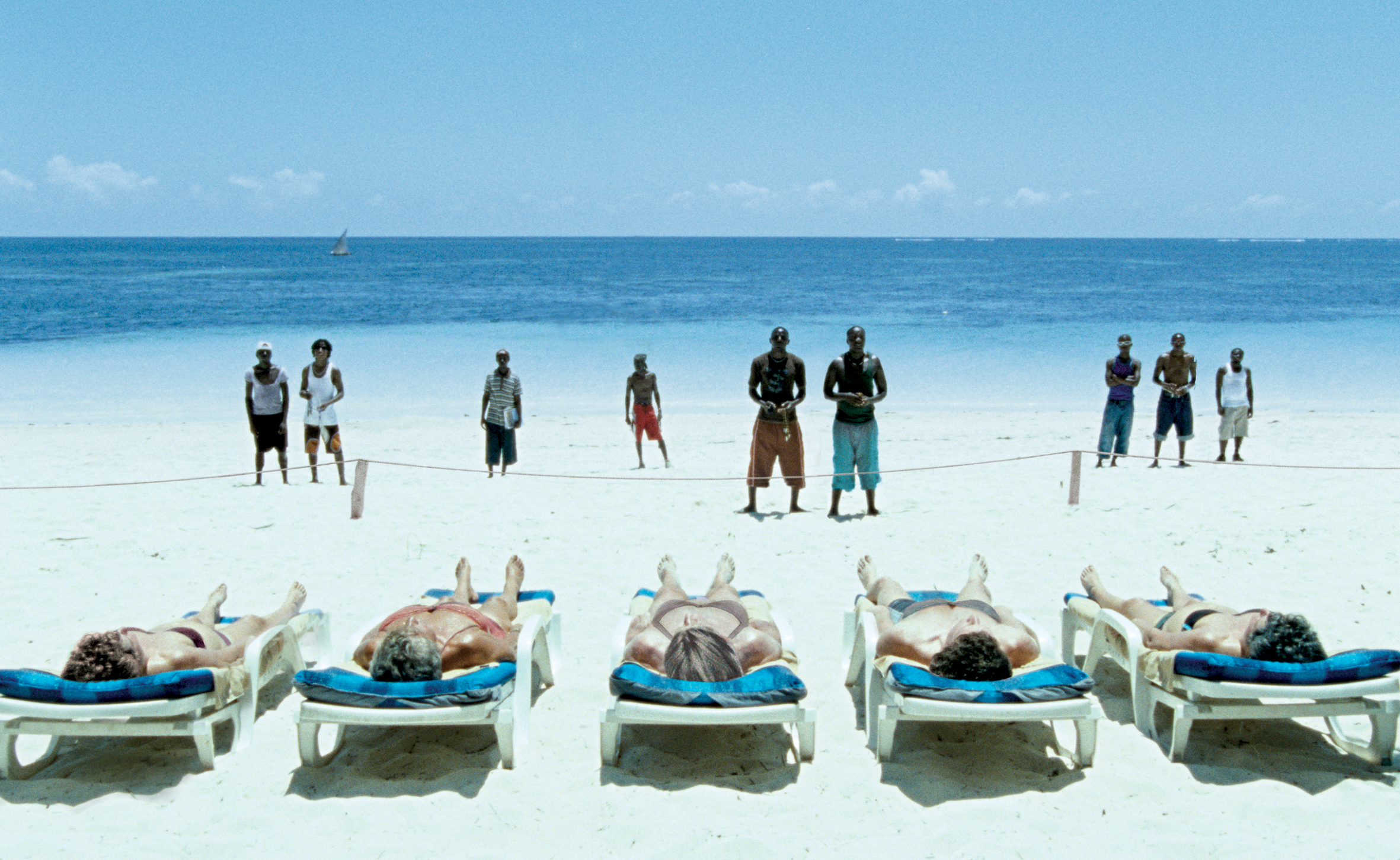
Ulrich Seidl’s Paradise: Faith opens with a scene of self-flagellation, and anyone familiar with this Austrian director might be justified in suggesting that watching three of his films back-to-back is tantamount to the same thing. The titles Seidl has given to his Paradise trilogy are Love, Faith and Hope, but these are not the words that one readily associates with his films – words like bleak, explicit, confrontational and provocative are more likely to be found in reviews of his work, which has drawn as many criticisms as it has plaudits over the years. Despite all this, Sunday June 16th was denoted as “Seidl Sunday” in the UK, with a handful of cinemas across the country offering a rare chance to see his trilogy in its entirety. I decided it was an opportunity not to be missed, but I must admit that I walked towards the BFI Southbank with a number of questions in my mind and a certain sense of dread in my heart. If I’m looking for paradise in the cinema, is Ulrich Seidl really the man I want to take me there?
By Phil Concannon
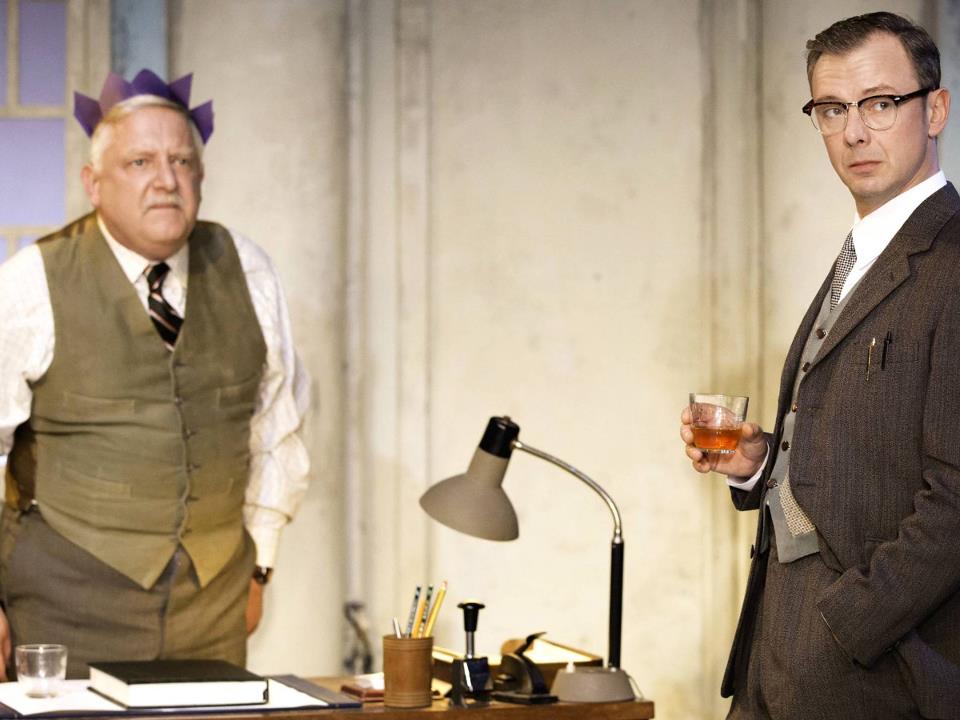
Harold Pinter wrote The Hothouse in 1958. He then discarded the play and it remained out of sight for over two decades, before Pinter himself directed its premiere at the Hampstead Theatre in 1980. “I have occasionally out of irritation thought about writing a play with a satirical point. I once did, actually, a play that no-one knows about. A full-length play written after The Caretaker,” he told an interviewer in the early ’70s. “Wrote the whole damn thing in three drafts. It was called The Hothouse and was about an institution in which patients were kept: all that was presented was the hierarchy, the people who ran the institution. One never knew what happened to the patients or what they were there for or who they were. It was heavily satirical and it was quite useless.”
Despite Pinter’s protestations about its substandard quality, The Hothouse was a success in its initial run and was acclaimed again when it was revived in 2007. Now the play is back in London, with Jamie Lloyd directing a new production at the Trafalgar Theatre, and it gives audiences another valuable opportunity to catch up with this still underrepresented work. What might take some viewers by surprise is how broadly comic much of The Hothouse is, perhaps being partly inspired by some of the revue sketches he was writing around that time. In fact, the opening scene of the play unfolds in the manner of a classic sitcom.
On the 25th anniversary of its debut on HBO, Phil Concannon looks back at Tanner 88.

While campaigning in New Hampshire ahead of the 1988 primary, Republican Presidential hopeful Bob Dole ran into an unfamiliar Democrat candidate. Dole did not immediately recognise this congressman and his daughter but he certainly was aware of the cameras surrounding them, and so the two men exchanged greetings like old pals, smiled, and wished each other well before going their separate ways. That might sound like a mundane incident, nothing more than a footnote to that year’s Presidential race, but there was something unusual about one of those two men. Jack Tanner was not a real politician. In fact, Jack Tanner was not even a real person.
by Philip Concannon
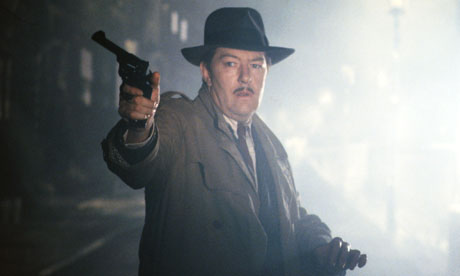
It is often said that we are currently living through a golden age of television, but for all of our contemporary small screen achievements has anything been created in this period that can match The Singing Detective? In fact, as I watched Dennis Potter’s miniseries for the first time this weekend (at an all-day ICA screening hosted by the Institute of Psychoanalysis) I wondered how the show would fare today. Who would commission a multilayered tale of sex, guilt and debilitating skin conditions, in which scenes of psychological realism are augmented by film noir pastiche and musical interludes? The show is so complex and unconventional in its storytelling techniques that it still feels astonishingly modern. The Singing Detective was ahead of its time. It may still be ahead of ours. Continue reading Under the Skin of The Singing Detective
by Philip Concannon
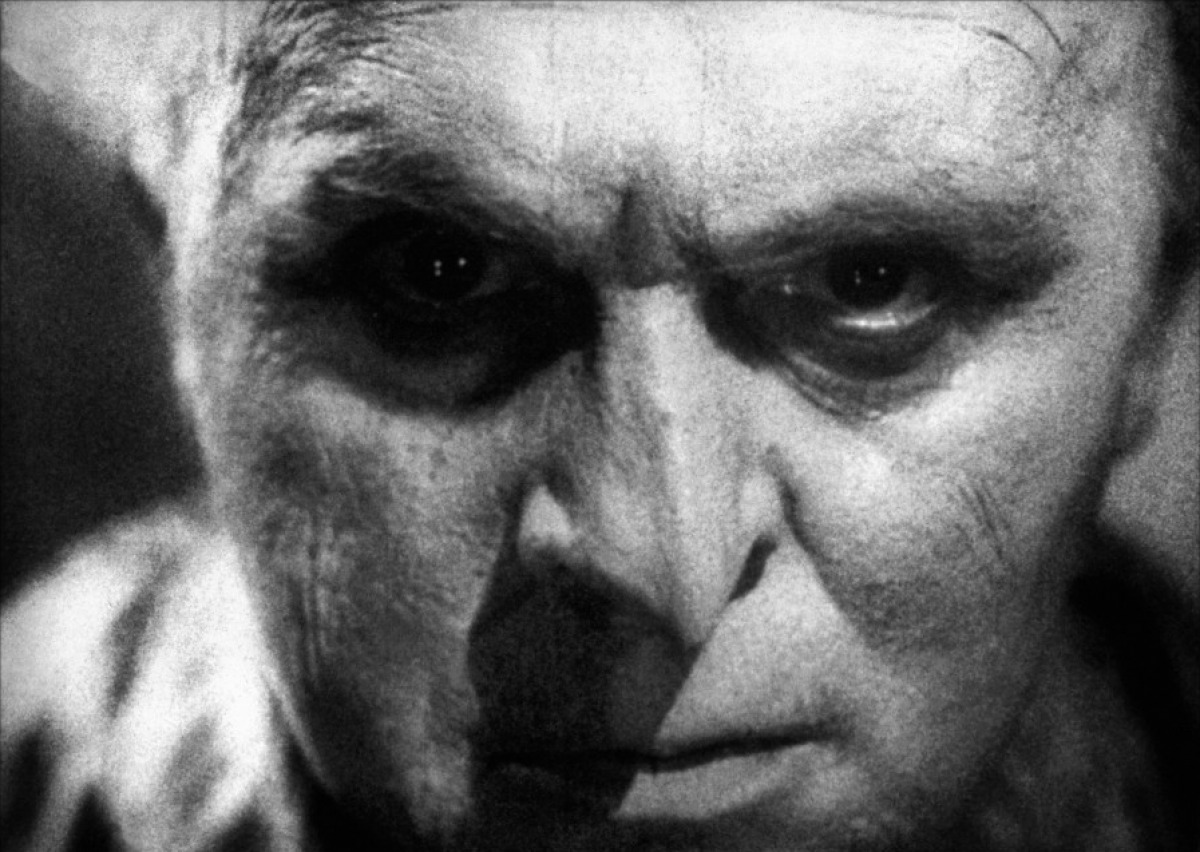
When Fritz Lang’s Dr Mabuse: The Gambler was released in 1922, one promotional poster carried the question “Who is Dr Mabuse?” alongside pictures of six very different-looking men. Of course, the truth is that all six men are Dr Mabuse, and the film opens with the title character turning over photographs like playing cards, as he ponders which of his many disguises to adopt. The question lingers on over the three films Lang made about Mabuse – who is he? The answer is he is many things at once. Mabuse was cinema’s first supervillain, he was a metaphor for the rot at the heart of Germany, he was an allegory for Nazi rule and he was the character who first helped to elevate Lang’s status as a director and a decade later provoked his flight from his homeland.
by Philip Concannon
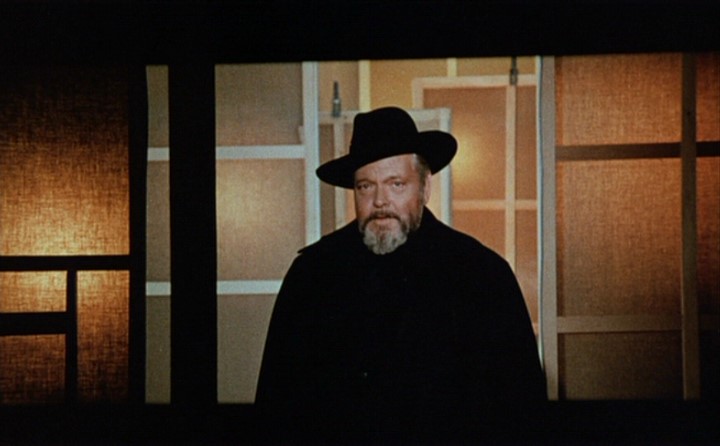
When he was four years old, Orson Welles’ mother gave him the gift of a magic set, and the precocious boy quickly learned to delight adults with his confident performances. Later, Orson’s father took him to see a number of magic shows, and he was once taken backstage to meet Harry Houdini, for whom he performed a handkerchief trick he was very proud of (he was told by the great Houdini to go away and perfect it). There’s no doubt that magic had always been an integral part of Welles’ life, and perhaps that partly explains the pleasure he took from filmmaking. He famously described it as the biggest train set a boy ever had, but he could have just as easily described it as the ultimate magic trick.
Continue reading “It’s (almost) All True!” – Orson Welles’ F For Fake
Philip Concannon reassesses Antonioni’s first full-colour masterpiece
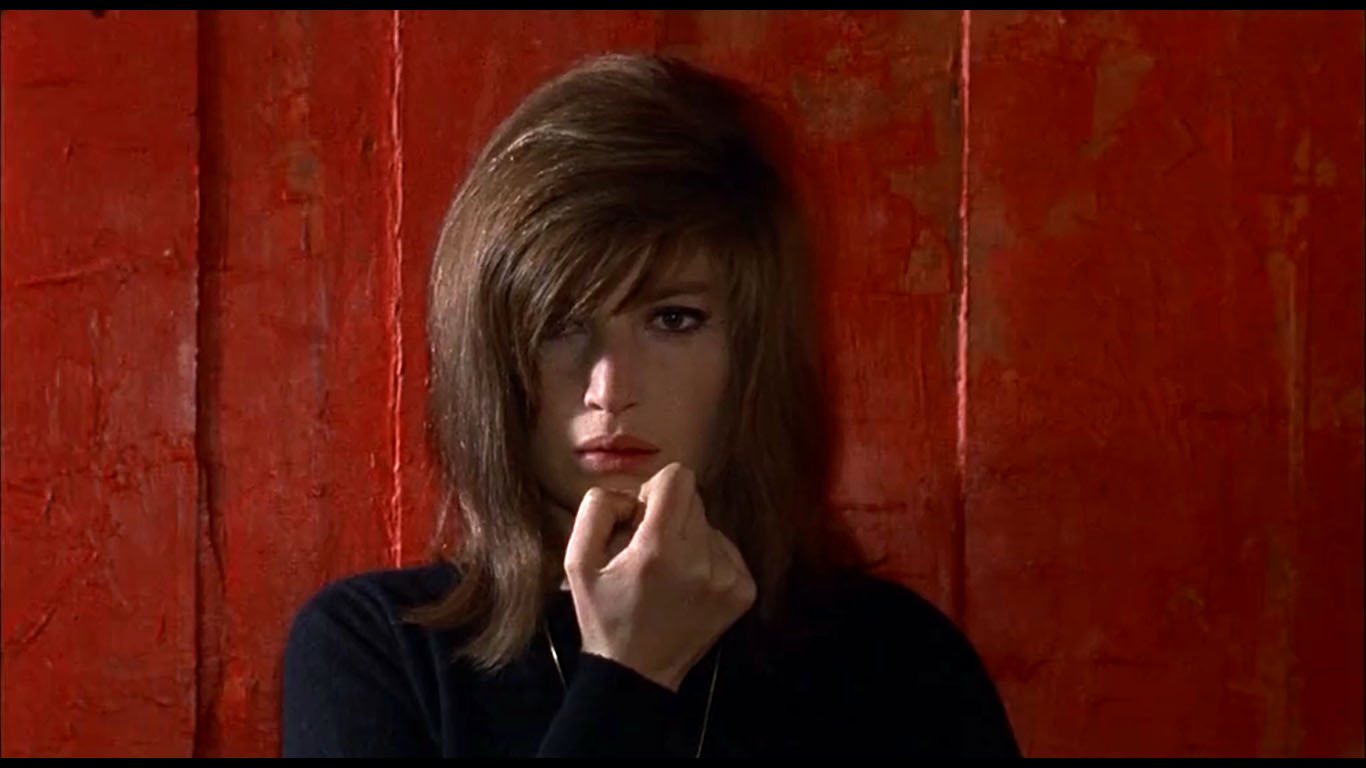
When people think of Michelangelo Antonioni now, they think (although he was active as a filmmaker from 1942) of the radically reinvented director who emerged in the early 1960s. Antonioni had always had a rather fluid relationship with conventional narrative storytelling but when L’avventura screened at the Cannes Film Festival in 1960, his outright rejection of a traditional plot in favour of mood, mystery and atmosphere caused a sensation. L’avventura was booed at its festival screening and many critics derided the film’s slow-paced sense of “Antonioniennui”, but others hailed it as a masterpiece and the film became an unexpected popular hit. He followed this success with La notte and L’eclisse, completing a morose trilogy of alienation and dislocation that defined his filmmaking philosophy.
by Philip Concannon

The occasion of the 2012 Olympic and Paralympic Games taking place in London is not just a sporting event, but also a cultural one. The London 2012 Festival will run throughout the summer and will encompass all of the arts in a series of special performances and exhibitions around the capital, with a collection of new short films by British directors being one of the most intriguing offerings. This London 2012 portmanteau film consists of four new works from Mike Leigh, Asif Kapadia, Lynne Ramsay and Max & Dania (Max Giwa and Dania Pasquini). The brief given to these directors allowed them complete freedom to produce a film that reflected London and the games as they saw it. As with any portmanteau film, London 2012 is a mixed bag, but the finished product certainly is an interesting blend of styles.
 MostlyFilm