Category Archives: Classic Films

Mad Cox: Beyond Moviedrome

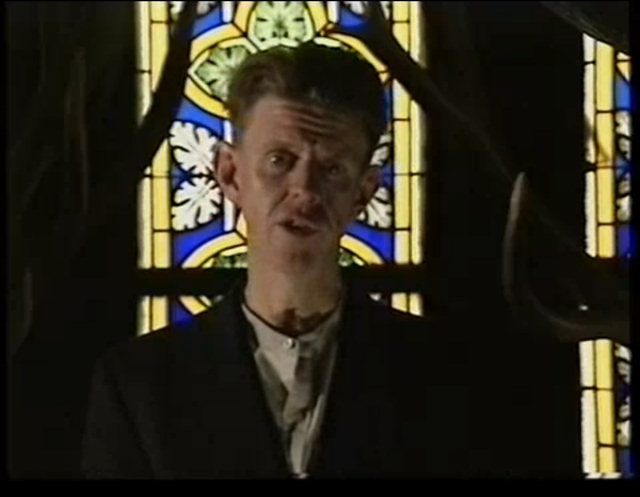
Alex Cox's big loomy head - a late-night BBC 2 fixture
Alex Cox’s big loomy head – a late-night BBC 2 fixture

Moviedrome! You either remember it or you don’t, but if you do you’ll never forget it and if you never forget it, it will stay with you forever, which is how memory works. Late on BBC2, Alex Cox’s gnarled knuckle of a head would loom out at you and introduce a film so mind-blowingly obscure or spine-tinglingly brilliant it would impress itself into your unconscious brain and lodge there like a bit of popcorn in a tender gum. In later years it would be Mark Cousins on loomy head duty, but there’s little doubt that Cox is the classic loom-monger for most. It was fertile ground for our writers, and here we present some memories of both the films and their unique, treasurable presentation…
Continue reading Mad Cox: Beyond Moviedrome

Screwball Scramble!

The BFI’s Screwball! season has been running throughout January, and continues to the end of the month. Our writers have picked some gems from the genre for your enjoyment.

The Awful Truth (1937)
by Phil Concannon

The Awful Truth
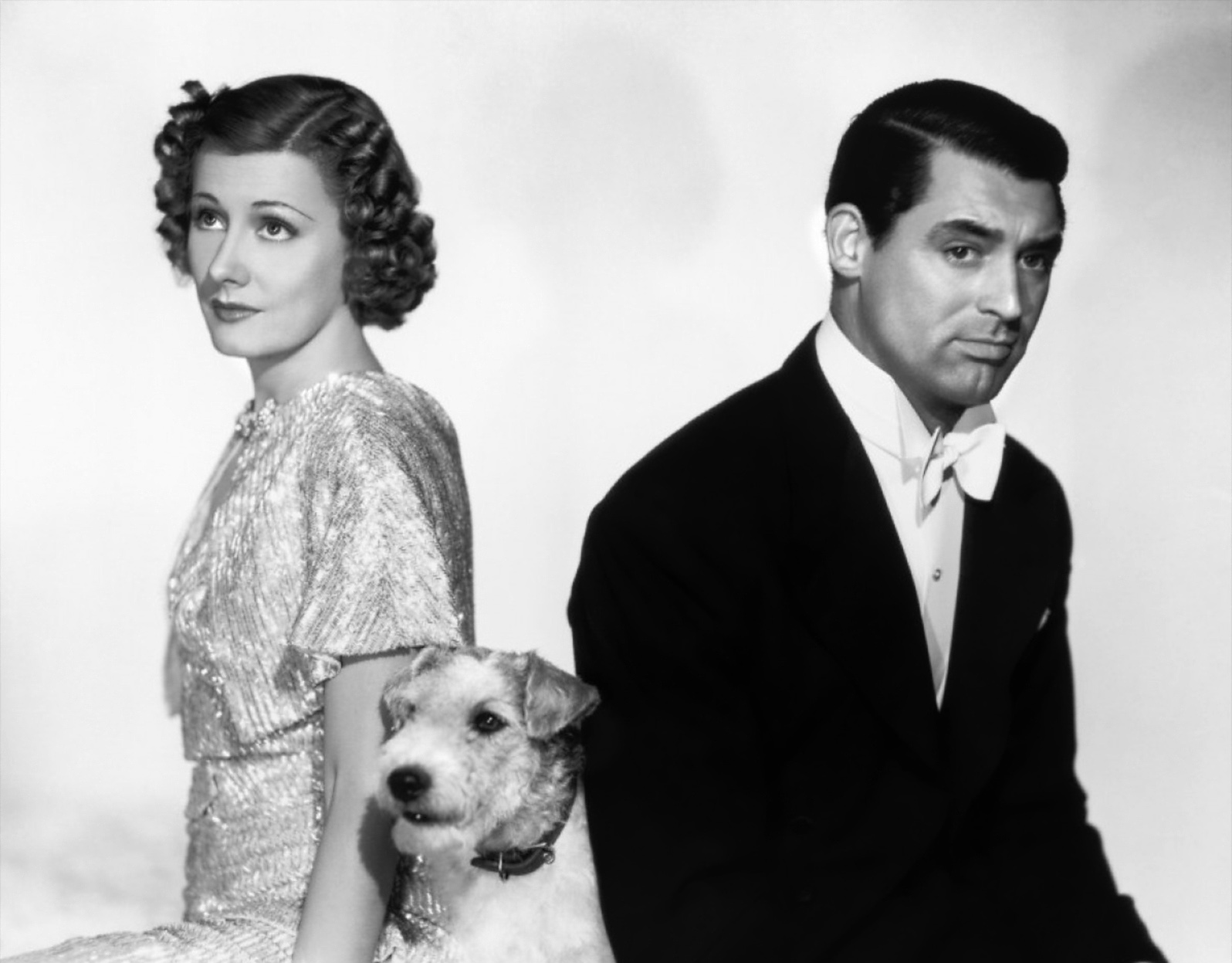
Cary Grant: The world’s least-engaged dog owner.

When Leo McCarey won the Best Director Oscar in 1938 he argued that he had been awarded it for the wrong film, having also made Make Way for Tomorrow in the previous 12 months. While it’s true that his heartbreaking family drama deserved more acclaim (it remained largely overlooked up until a few years ago), that statement shouldn’t be taken as a slight against film McCarey did win for, The Awful Truth, which still stands as one of the great American comedies. Not many of those involved thought that would be the case as it was being made – Cary Grant frequently took issue with McCarey’s reliance on improvisation and even tried to leave the production – but the finished product works like a charm.

Continue reading Screwball Scramble!

Chicken Soup for the Cineaste

Awww.

Some days all you want is a little comfort. Some days are worse than others, and a familiar film can be the perfect tonic. Some days you don’t want to be challenged by a film, you want it to lean over, give you a hug and call you ‘Champ’. We asked our contributors to tell us about films that do just that for them.

Continue reading Chicken Soup for the Cineaste

Lawrence of Arabia Competition

larab_stl_2_h[1]

Lawrence of Arabia is 50 years old. If you can tell us when and where it premièred we have a pair of tickets for the screening tomorrow at Empire Leicester Square at 2.30 pm. It is a 1,330 seat cinema with a high quality 56K Watt THX certified sound system, showcasing Lawrence of Arabia in the best possible setting in its original road show presentation with an overture and intermission.

To win email editor at mostlyfilm dot com before 3pm today with your answer. First out of the hat wins. There’s a clue here in our original review.  Good luck!

Master Chef – Babette’s Feast

Babette_s_Feast_stills_68

by Josephine Grahl

Based on a short story by Danish author Karen Blixen (who also wrote as Isak Dinesen), Babette’s Feast (1987) tells the story of two sisters, Martine (played by Birgitte Federspiel) and Philippa (Bodil Kjer) who live in a remote fishing village on the western coast of Denmark. Daughters of a Christian pastor who leads his own sect based on self-denial and austerity, after his death they preside over his dwindling flock, doing good works and living a simple, austere life. Continue reading Master Chef – Babette’s Feast

Lawrence of Arabia

by Susan Patterson

The 50th Anniversary Restoration of Lawrence of Arabia (1962) is an immense film in every respect: the score by Maurice Jarre, which begins before the first frame is seen (and the beautiful performance by the London Philharmonic conducted by Boult); the vast desert panoramas photographed by F A Young in Panavision 70; its 227 minute restored running time; the central eponymous performance by Peter O’Toole, with Omar Sharif supporting, all make this something very special. Director David Lean, Jarre and Young all won Oscars, producer; it won Best Picture for producer Sam Spiegal; Anne Coates best editing;  and there were further Oscars for sound and art direction, plus four BAFTAs.
Continue reading Lawrence of Arabia

Saved From the Flames

by Fiona Pleasance

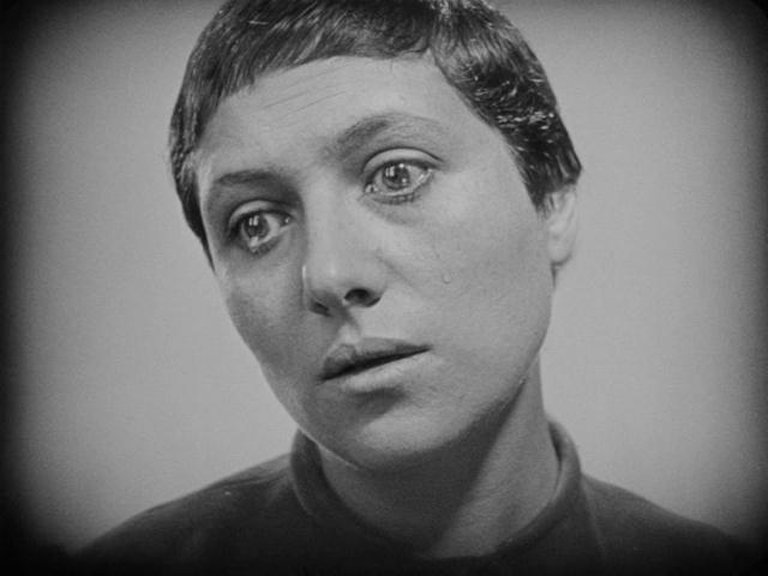
Carl Theodor Dreyer’s film La Passion de Jeanne d’Arc (The Passion of Joan of Arc), was made in 1928, and is set almost exactly five centuries earlier. At the film’s core is a display of raw human emotion quite unlike any seen in the cinema before or since, its visceral nature expressed in tears, in spit and in blood, taking in faith and torture, and ending in confusion, in fire and in death.
Continue reading Saved From the Flames

The Man in the White Suit

By Josephine Grahl

Paul Kinsey: It’s from the future, a place so close to us now,
filled with wonder and ease.

Don Draper: Except some people think of the future and it upsets them. They see a rocket, they start building a bomb shelter.

— Mad Men

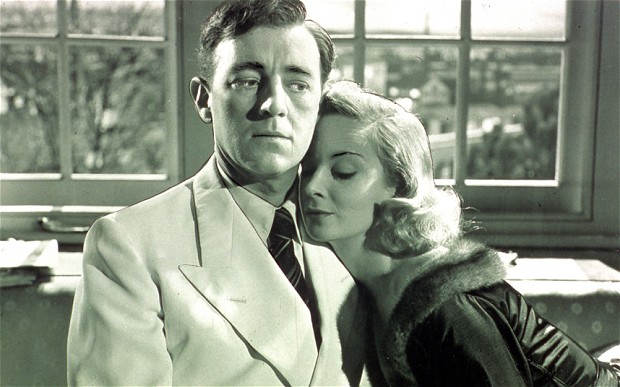
There are films which seem as though they come from another world. The Man In The White Suit (1951)  is one of those. In some ways it’s a straightforward comedy about unforeseen consequences; but in another way, it’s a film about a world that might have been but never was – that might have been but now never can be.

Sidney Stratton (Alec Guinness) is a maverick research scientist in the textile industry occupied with synthesising a new fabric. As a researcher, he’s fired from several mills, but then finds himself working for Birnley’s, first as a labourer and then, by accident, as a researcher. The gradual sequence in which he appears, peering from behind his lab equipment, disappearing behind a door, to the gentle ‘blip… bloop’ of his chemical process is a gently comical delight.

Continue reading The Man in the White Suit

Trouble in Paradise

By Viv Wilby

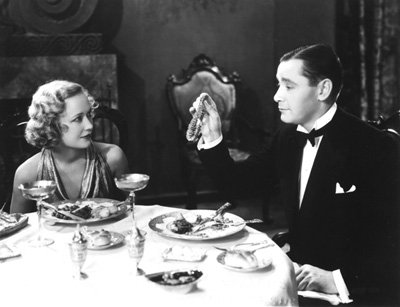
Some years ago, the National Film Theatre (as it was then) asked members to nominate a little-seen film for a Christmas-showing. The winner was Ernst Lubitsch’s 1932 romantic comedy, Trouble in Paradise. Co-written with Lubitsch’s regular collaborator, Samson ‘The Jazz Singer’ Raphaelson, Trouble in Paradise takes full advantage of the permissiveness that abounded before the enforcement of censor Will Hays’ Motion Picture Production Code in 1934. The script, which is heavy with sexual innuendo and irony, was considered too racy during the code era and re-issues were refused. The film wasn’t discovered again until the late 1960s.

Like a lot of early Hollywood comedies, the setting is old Europe: chic, cultured, decadent, gloriously wealthy. But Lubitsch doesn’t waste any time in making a central point (and a good visual gag). The garbageman we see in the very first shot is also an aria-singing gondolier, punting a heap of festering rubbish down the Grand Canal. Glamour, romance and escapism goes hand-in-hand with rottenness and filth. Continue reading Trouble in Paradise

Casque d’Or

by Blake Backlash

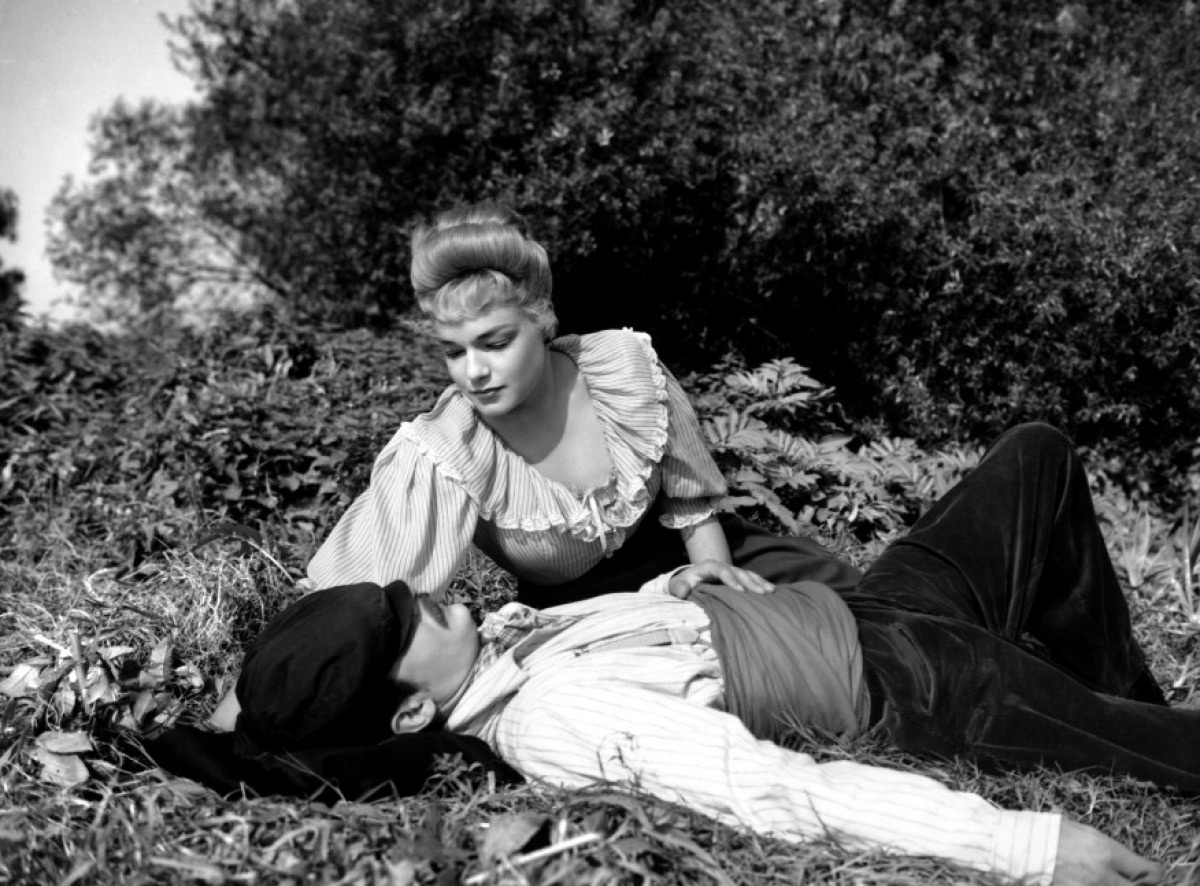
To start with, things are idyllic. The opening shot of Casque d’Or finds us watching from a river bank as two boats are rowed towards us. The passengers are singing. They disembark and, as they race each other to an open-air dance garden, we can see by their clothes that this is the end of the 19th Century. The screen is alive with sunlight and laughter.
Continue reading Casque d’Or