The 50th Anniversary Restoration of Lawrence of Arabia (1962) is an immense film in every respect: the score by Maurice Jarre, which begins before the first frame is seen (and the beautiful performance by the London Philharmonic conducted by Boult); the vast desert panoramas photographed by F A Young in Panavision 70; its 227 minute restored running time; the central eponymous performance by Peter O’Toole, with Omar Sharif supporting, all make this something very special. Director David Lean, Jarre and Young all won Oscars, producer; it won Best Picture for producer Sam Spiegal; Anne Coates best editing; and there were further Oscars for sound and art direction, plus four BAFTAs. Continue reading Lawrence of Arabia→
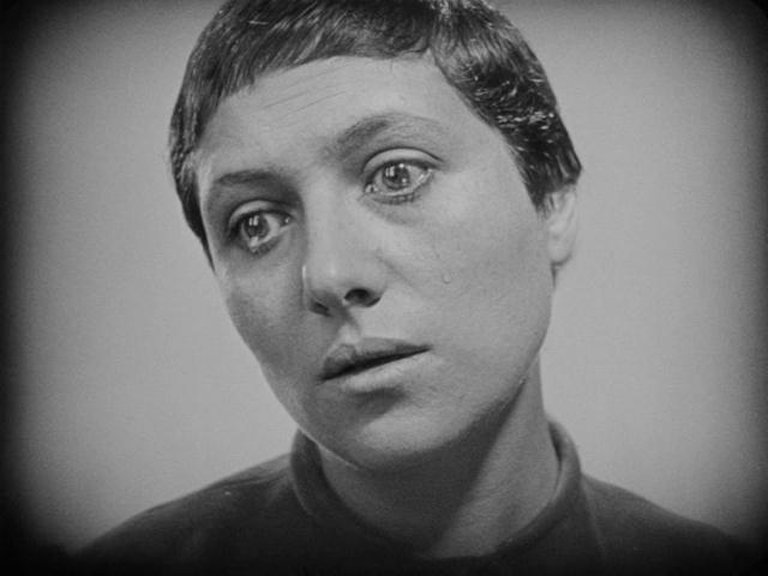
Carl Theodor Dreyer’s film La Passion de Jeanne d’Arc (The Passion of Joan of Arc), was made in 1928, and is set almost exactly five centuries earlier. At the film’s core is a display of raw human emotion quite unlike any seen in the cinema before or since, its visceral nature expressed in tears, in spit and in blood, taking in faith and torture, and ending in confusion, in fire and in death. Continue reading Saved From the Flames→
Paul Kinsey: It’s from the future, a place so close to us now,
filled with wonder and ease.
Don Draper: Except some people think of the future and it upsets them. They see a rocket, they start building a bomb shelter.
— Mad Men
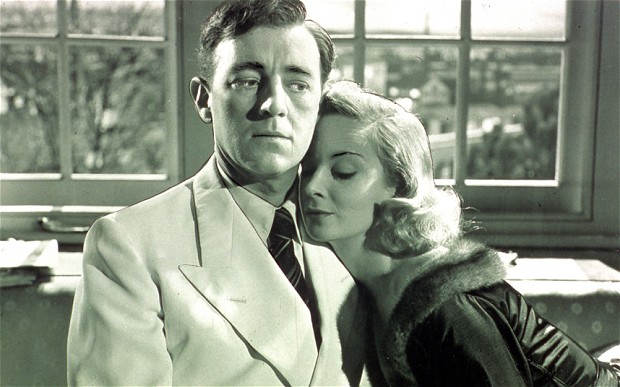
There are films which seem as though they come from another world. The Man In The White Suit (1951) is one of those. In some ways it’s a straightforward comedy about unforeseen consequences; but in another way, it’s a film about a world that might have been but never was – that might have been but now never can be.
Sidney Stratton (Alec Guinness) is a maverick research scientist in the textile industry occupied with synthesising a new fabric. As a researcher, he’s fired from several mills, but then finds himself working for Birnley’s, first as a labourer and then, by accident, as a researcher. The gradual sequence in which he appears, peering from behind his lab equipment, disappearing behind a door, to the gentle ‘blip… bloop’ of his chemical process is a gently comical delight.
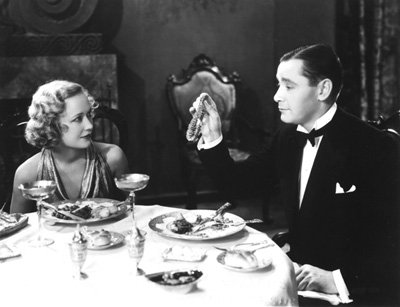
Some years ago, the National Film Theatre (as it was then) asked members to nominate a little-seen film for a Christmas-showing. The winner was Ernst Lubitsch’s 1932 romantic comedy, Trouble in Paradise. Co-written with Lubitsch’s regular collaborator, Samson ‘The Jazz Singer’ Raphaelson, Trouble in Paradise takes full advantage of the permissiveness that abounded before the enforcement of censor Will Hays’ Motion Picture Production Code in 1934. The script, which is heavy with sexual innuendo and irony, was considered too racy during the code era and re-issues were refused. The film wasn’t discovered again until the late 1960s.
Like a lot of early Hollywood comedies, the setting is old Europe: chic, cultured, decadent, gloriously wealthy. But Lubitsch doesn’t waste any time in making a central point (and a good visual gag). The garbageman we see in the very first shot is also an aria-singing gondolier, punting a heap of festering rubbish down the Grand Canal. Glamour, romance and escapism goes hand-in-hand with rottenness and filth. Continue reading Trouble in Paradise→
Yay! It’s Nicola, Kimberley, Cheryl, Sarah and Nadine! They’re back! It’s an objectively-decided fact that Girls Aloud created the greatest pop music of the 21st century, possibly of all time. Yes, it is. And I know they came from a Cowell-inflected TV talent show, but it was back in the old days when the format was fresh and, crucially, they were launched with a sequence of tunes so astonishingly great they’re still pop benchmarks. Furthermore, their ratio of proper pop bangers to tedious ballads is a mighty 3:1 (yes, I did the maths), making them better than anyone ever. The songs are provided by ultraproducers Xenomania, of course, but Xenomania are behind lots of pop songs and none are as good as those performed by Girls Aloud. It’s kind of a perfect match. And one of their B sides was about the freaking Kronstadt* rebellion, because they’re a) awesome and b) really the last great working class band, now that you can’t be a musician on the dole. I haven’t really fleshed that argument out, but it’s 100% true. Who are our pop stars now? Mumford and Sons. Fuck’s sake.
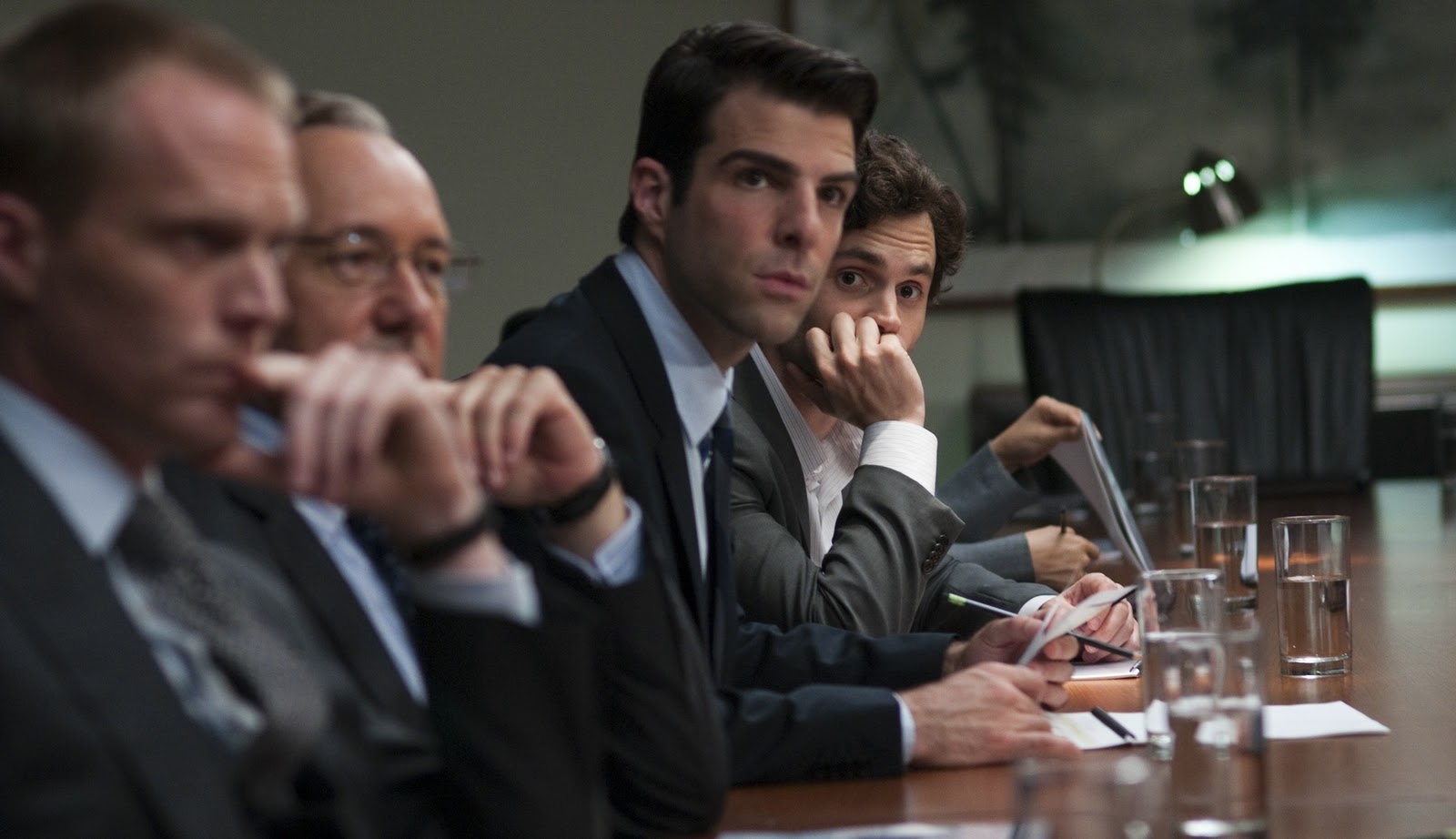
margin call (noun) 1. a demand by a broker that an investor deposit further cash or securities to cover possible losses
J C Chandor’s Margin Call (2011) is a clever, smart film, and I don’t understand how I missed it when it went on general release in January. Admittedly, it came out the same week as Shame and War Horse, but I was already jaded by Fassbender’s cock, and horses, even brave ones, hold even less interest for me.
On the first day of filming the new series of Lewis, Kevin Whately smiles for the camera.
SPOILER WARNING: If worried about Skyfall spoilers, then either go to the cinema and see Skyfall, or sit down and take a long, hard look at your priorities in life.
——
There’s a moment in Skyfall where the villain unhooks half his face. The remaining rotten bridgework peers out and half his cheek falls away, skin stretching in a cadaverous fashion. At that point I found myself thinking – this film needs to stop messing around and have him go full-zombie, right now.
He didn’t, of course, and therein lies much of the problem with the new James Bond film. Nobody does much of anything exciting, and what they do end up doing is so low-wattage and for such low stakes that by the time it becomes clear that we’re witnessing a half-arsed series reboot, two movies after the last half-arsed series reboot, it makes you wonder that if they can’t be bothered, why on earth should we?
Oh, it’s not a disaster, by any means. Skyfall is put together competently, hits the majority of the beats it aims for without boring your tits off, and nothing jumps out of the screen shrieking ‘GAZE NOT UPON THIS TURKEY!’ like, say, Avengers Assemble. However, it’s defiantly not the return to form that preview audiences breathlessly rushed to their computers to praise to the heavens.
But if you start thinking about that question of form, then you’re left reflecting that in a 50-year, 23-film series, there’s only actually ever been five good ones. So, was anyone really expecting otherwise? Or is the prospect of a genuinely copper-bottomed feel-good Bond success so seductive that people are willing to kid themselves that they just saw something brilliant, when it’s clear that they didn’t?
Stanley Kubrick’s 1980 adaptation of Stephen King’s novel The Shining is, courtesy of the BFI, getting a theatric rerelease this week (with previews tonight), in the longer US cut, previously little seen in Britain on the big screen. And last week saw the theatrical release of Rodney Ascher’s documentary, Room 237, a dense, impressionistic collage of varyingly outré interpretations of Kubrick’s film, narrated by the authors of the theories; simultaneously illustrated and undermined by Ascher’s selection and juxtaposition of images from the film and elsewhere. Some thoughts after I make you jump.
About a quarter of a century ago, I saw my first film featuring Chinese people flying through the air waving swords about, and it blew my goddamn mind. Zu: Warriors From The Magic Mountain was made by Tsui Hark in 1982, and was as wild an introduction to the delights of Hong Kong cinema as you could wish for. As I leapt onto every subsequent film from the territory that the Scala cinema could throw at me, I’d tell anyone who’d listen just how incomprehensible HK movies sometimes seemed to a Western viewer.
After a few years, I’d seen enough of them to realise that I was being unfair. It wasn’t that all HK movies were incomprehensible: if I was honest about it, it was really just Tsui Hark’s. And thirty years after Zu, his latest film Flying Swords Of Dragon Gate shows he can still provide that unique combination of eye-buggering visual spectacle and fantastically garbled storytelling. All that’s changed in the interim is the scale.
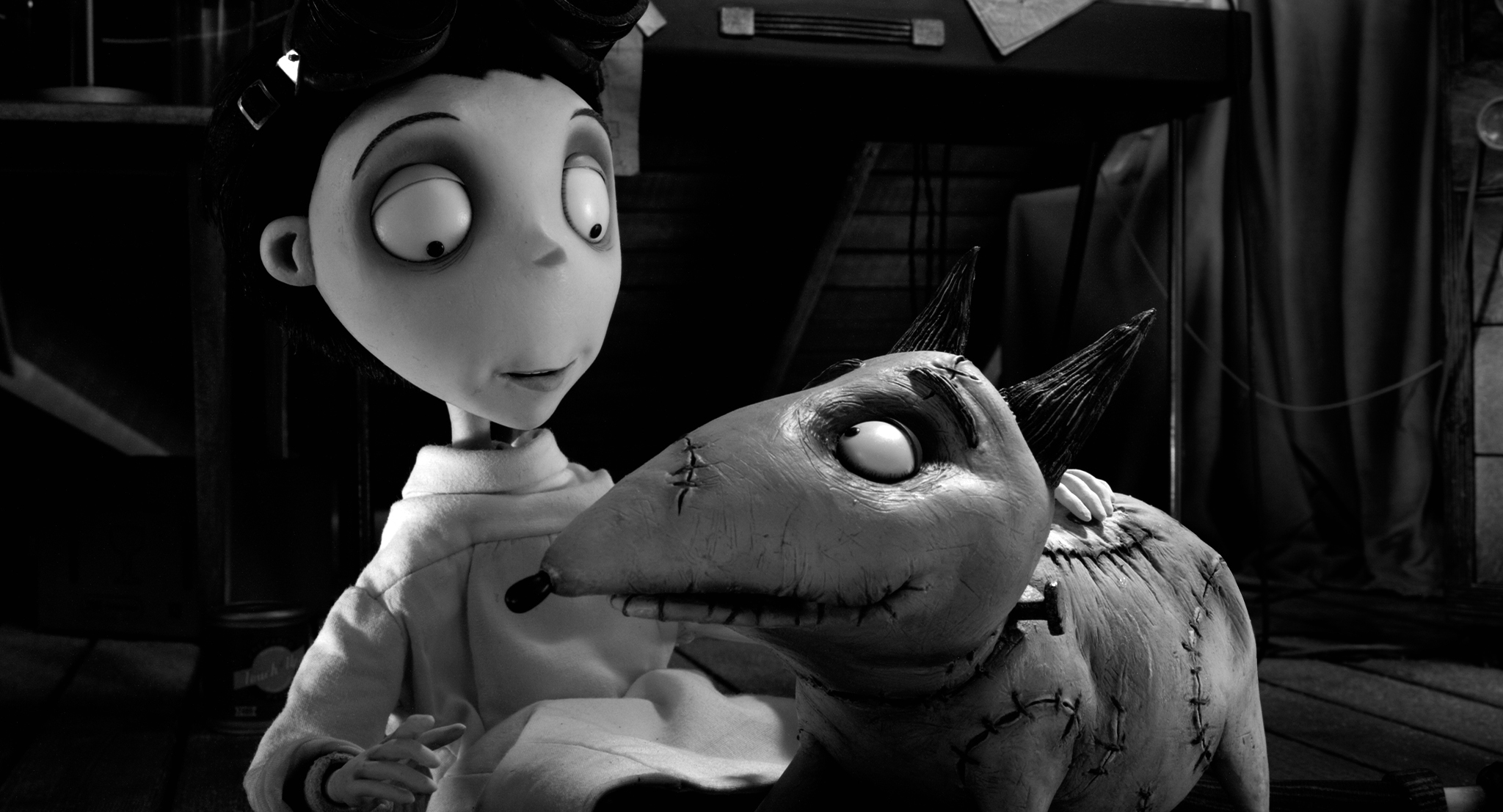
Among the many things for which Tim Burton can be held responsible is the fact that I am writing for this website. His second feature, Beetle Juice (1988) was the one that, more than any other, ignited my interest in film. I’m not suggesting it’s the greatest film ever made (that would be Tremors, clearly), but it was among the most imaginative and unusual I had seen up to that point in my life. It introduced me to the idea that filmmakers could take a melange of influences and craft something new and personal from them, and sent me out into the street thinking: I want more like that. (It also introduced me to Winona Ryder, something else for which I remain grateful.)




 MostlyFilm