Category Archives: Classic Films

Mostly BOO! Halloween Thoughts on The Shining and Room 237

by Indy Datta

Stanley Kubrick’s 1980 adaptation of Stephen King’s novel  The Shining is, courtesy of the BFI, getting a theatric rerelease this week (with previews tonight), in the longer US cut, previously little seen in Britain on the big screen. And last week saw the theatrical release of Rodney Ascher’s documentary, Room 237, a dense, impressionistic collage of varyingly outré interpretations of Kubrick’s film, narrated by the authors of the theories; simultaneously illustrated and undermined by Ascher’s selection and juxtaposition of images from the film and elsewhere. Some thoughts after I make you jump.

Continue reading Mostly BOO! Halloween Thoughts on The Shining and Room 237
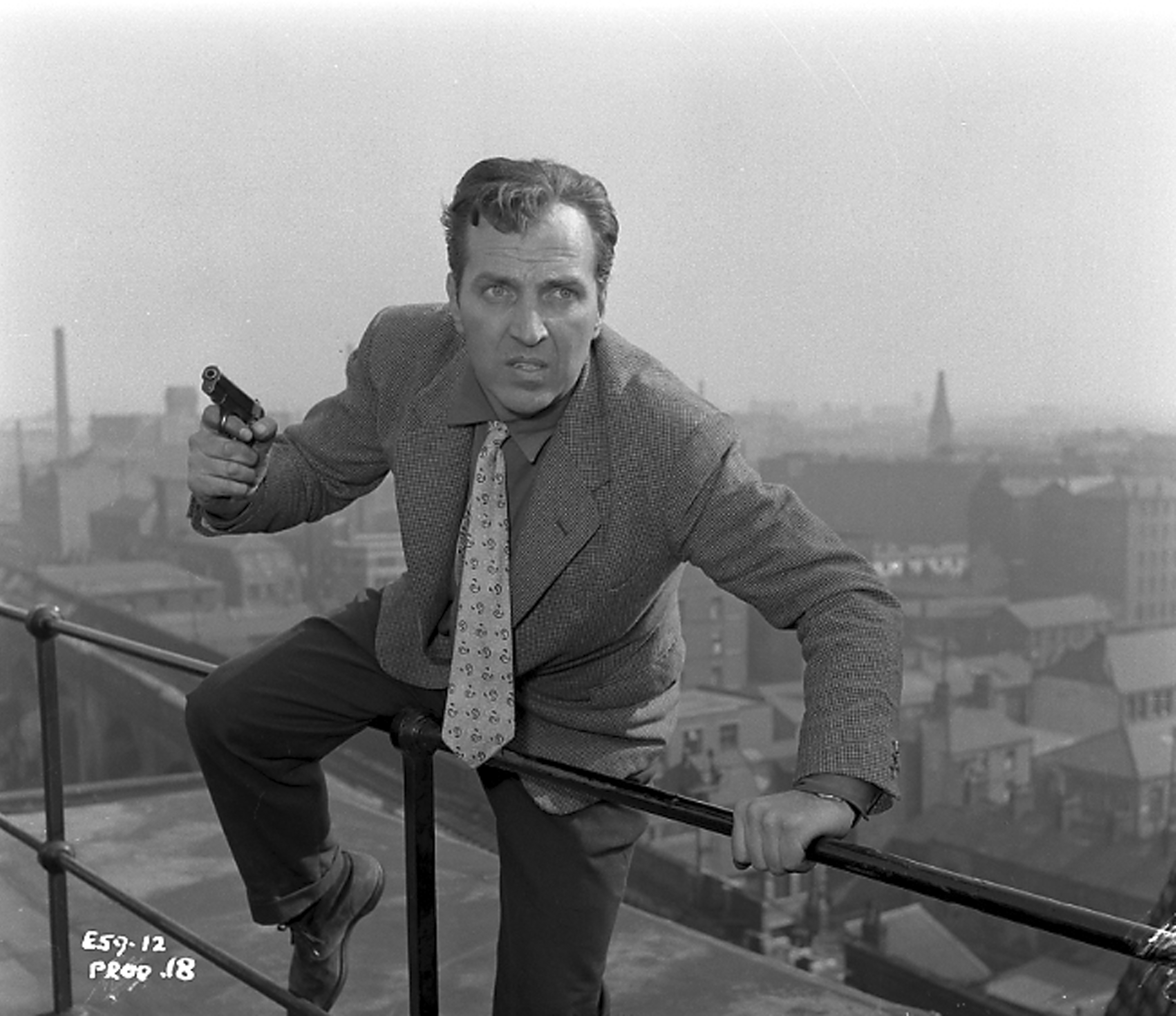
Hell is a City

by Blake Backlash

That title seems emblematic of film noir. In so many noirs the city is a malevolent presence, a place that seems both to warp and to be warped by the tortured psyche of the protagonist. If you had to send a telegram summarising the message of most film noir, the curt, four word missive: Hell Is a City, would be a pretty good way to get the job done cheaply.

But a part of what makes this film interesting are the other, non-noir traditions it draws upon. It’s British but it’s a markedly different work than the films I discussed in my MostlyFilm article on Brit Noir, back in March. Significantly, the three films I looked at then are set in London and the South. By contrast, Hell Is a City is set in Manchester. That shift north also brings with it a shift from a heightened reality to an emphasis on veracity. And along with that comes a more serious attempt to more authentically depict the lives of the British working-class.

Continue reading Hell is a City

The Eyes Have It

by Philip Concannon

Dr Mabuse: The Gambler

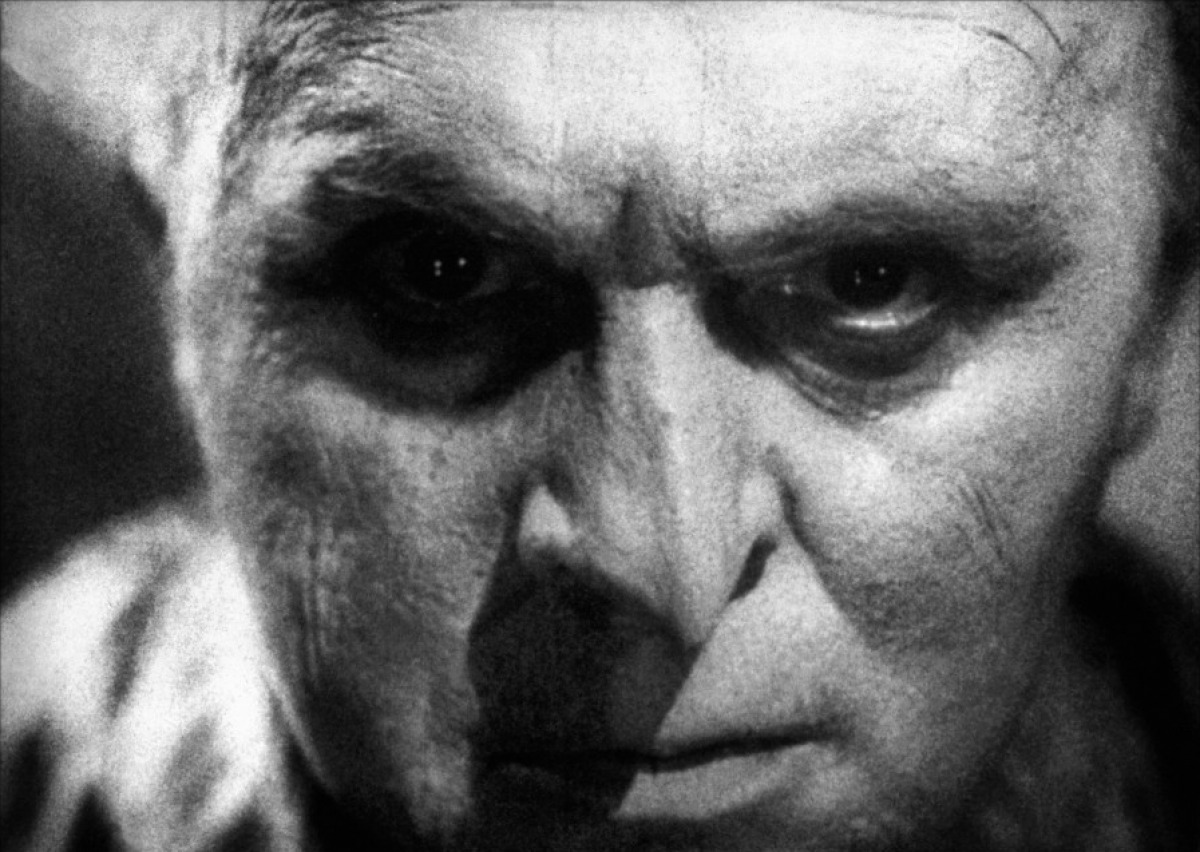
When Fritz Lang’s Dr Mabuse: The Gambler was released in 1922, one promotional poster carried the question “Who is Dr Mabuse?” alongside pictures of six very different-looking men. Of course, the truth is that all six men are Dr Mabuse, and the film opens with the title character turning over photographs like playing cards, as he ponders which of his many disguises to adopt. The question lingers on over the three films Lang made about Mabuse – who is he? The answer is he is many things at once. Mabuse was cinema’s first supervillain, he was a metaphor for the rot at the heart of Germany, he was an allegory for Nazi rule and he was the character who first helped to elevate Lang’s status as a director and a decade later provoked his flight from his homeland.

Continue reading The Eyes Have It

“It’s (almost) All True!” – Orson Welles’ F For Fake

by Philip Concannon

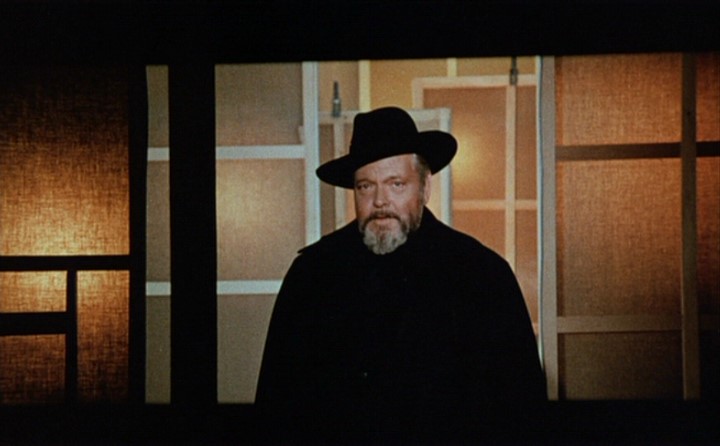
When he was four years old, Orson Welles’ mother gave him the gift of a magic set, and the precocious boy quickly learned to delight adults with his confident performances. Later, Orson’s father took him to see a number of magic shows, and he was once taken backstage to meet Harry Houdini, for whom he performed a handkerchief trick he was very proud of (he was told by the great Houdini to go away and perfect it). There’s no doubt that magic had always been an integral part of Welles’ life, and perhaps that partly explains the pleasure he took from filmmaking. He famously described it as the biggest train set a boy ever had, but he could have just as easily described it as the ultimate magic trick.

Continue reading “It’s (almost) All True!” – Orson Welles’ F For Fake

Enough with the Penguins, Already

“No, really – Puss in Boots is surprisingly good!”

Parents! Do you dread the moment when your kids demand that you watch Madagascar, for the thirtieth time? Do you never want to hear another word from them about that squirrel and his flipping acorn? But are you worried that they will shun anything not already marketed to them through tie-in Happy Meals? MostlyFilm feels your pain, and has tasked its more fertile contributors with trying out some children’s and family classics on their broods, taking inspiration from the BFI’s list of the 50 films you should see before you’re 14, and Mark “The Story of Film” Cousins’s similar list. This is bound to go well, right?

Continue reading Enough with the Penguins, Already

Woman in a Dressing Gown

Sarah Slade on a rediscovered classic of British film.

In cinema, marriage is the happy ending. Hero and heroine are joined together after many adventures, kiss for the first time, and everything is as rosy as the sunset behind them. Marriage is the ultimate destination, and even an adulterous liaison ends up with the protagonists returning to the marital home, chastened and penitent; or maybe an inconvenient spouse dies so that the golden couple can…well…get married. Because it worked so well the first time, didn’t it?

Continue reading Woman in a Dressing Gown

Lost in the Red Desert

Philip Concannon reassesses Antonioni’s first full-colour masterpiece

When people think of Michelangelo Antonioni now, they think  (although he was active as a filmmaker from 1942) of the radically reinvented director who emerged in the early 1960s. Antonioni had always had a rather fluid relationship with conventional narrative storytelling but when L’avventura screened at the Cannes Film Festival in 1960, his outright rejection of a traditional plot in favour of mood, mystery and atmosphere caused a sensation. L’avventura was booed at its festival screening and many critics derided the film’s slow-paced sense of “Antonioniennui”, but others hailed it as a masterpiece and the film became an unexpected popular hit. He followed this success with La notte and L’eclisse, completing a morose trilogy of alienation and dislocation that defined his filmmaking philosophy.

Continue reading Lost in the Red Desert

Nitin Sawhney’s The Lodger OST

by Victor Field

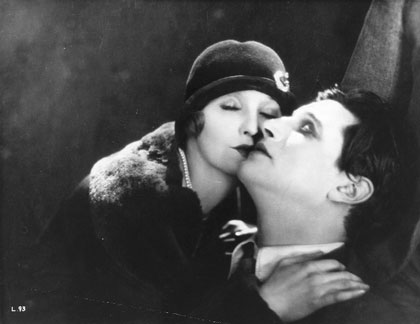
As anyone who’s seen silent movies on Sumo TV can tell you, vision without some kind of sound only works in small doses. So providing brand-new accompaniment for the newly spruced-up print of Alfred Hitchcock’s The Lodger is the perfect way to keep audience attention, and with Nitin Sawhney being a fan of Bernard Herrmann we have… history sort-of repeating itself. See, The Lodger is a film about a serial killer running amok in London, and Frenzy – also about a serial killer running amok in London – also wound up getting new music when Hitch became the only director to ever throw out a score by Henry Mancini (Ron Goodwin replaced him).

Continue reading Nitin Sawhney’s The Lodger OST

Enraptured by the details: a Billy Wilder double-bill

by Blake Backlash

It can be difficult to know how to begin. The attempt to come up with a first line for his novel about alcoholism sends Don Birnham, the protagonist of The Lost Weekend, into a bout of sweaty self-doubt. The fear of the blank page is enough make him abandon the manuscript of The Bottle to go searching for an actual bottle.

If Billy Wilder ever experienced such creative uneasiness himself, it doesn’t show in the films. The openings of The Lost Weekend and Double Indemnity are both memorable because of the strikingly assured way they immerse us quickly into their narratives. We watch Fred MacMurray stagger into an office in the wee-small hours and start to dictate a memo, in which he confesses to murder. And we watch Ray Milland through a window, as he packs a suitcase and casts nervous glances towards the bottle of whisky we can see dangling on a rope that hangs out of that window. The endings of both these films will, in different ways, return us to these opening images – this is a pattern that Wilder used most famously in Sunset Blvd, which opens with William Holden’s corpse floating in a swimming pool, as William Holden starts to tell us how he came to be floating there.

Continue reading Enraptured by the details: a Billy Wilder double-bill

“Be a Mensch”

by Ron Swanson

I find the question of who my favourite filmmaker is much easier to answer than what’s my favourite film. The answer is, always, albeit after a couple of honourable mentions (Powell and Pressburger, Ozu, Hitch); Billy Wilder. And there is no more quintessentially Billy Wilder film than The Apartment. It’s both cynical and romantic, its characters both optimistic and hopeless and the same scenes are funny and desperately, devastatingly, sad.

CC Baxter (the inestimable Jack Lemmon – never better) is an anonymous drone in a huge New York insurance company, just one of 31,000 employees in a firm so large that he’s known more by his desk number (19th floor, section W, desk 861). Well, that’s how he would be known, if he hadn’t found a way to get ahead – leaving his Manhattan apartment to his superiors so they can entertain their mistresses.

Continue reading “Be a Mensch”